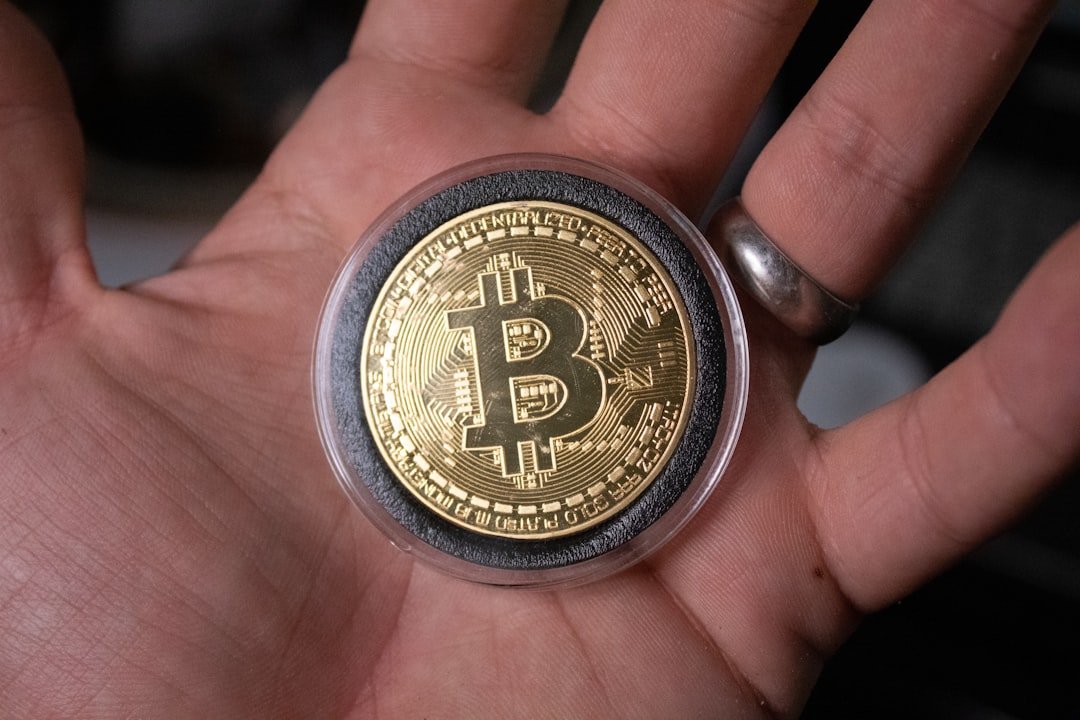
Photo by Brian Wangenheim on Unsplash
NFTs Beyond Art: Unlocking the Real-World Utility Revolution
Let me tell you a story, a familiar one perhaps. It was just a few years ago, and my friend, Alex, called me, a mix of excitement and bewilderment in his voice. "Hey," he started, "you know all this crypto stuff, right? What's the deal with these monkey pictures selling for millions? Is this just a giant joke, or am I missing something fundamental about the internet?"
I chuckled, because Alex's confusion was, and still is, incredibly common. For many, NFTs burst onto the scene like a supernova – dazzling, expensive, and seemingly irrational. They were the digital art equivalent of a luxury sports car, admired by some, scoffed at by others, and understood by very few beyond the surface. The headlines screamed about Bored Apes, CryptoPunks, and eye-watering sums paid for pixels. And while those early, iconic art collections certainly put NFTs on the map, they also, inadvertently, pigeonholed them. They made it seem like NFTs were only about art, a speculative playground for the ultra-rich, or at best, a quirky new way for digital artists to make a living.
But here’s the secret, the deeper truth that Alex, and perhaps many of you, are only just beginning to uncover: the art was just the beginning. It was the flashy storefront, drawing us in, but the real marvel, the true revolution, lies in the engine room – in the underlying technology and the concept of digital ownership and utility that NFTs represent.
Think of it this way: the internet gave us information. Blockchain gave us trust and decentralization. And NFTs? NFTs give us ownership of unique digital items, verifiable and immutable on that decentralized ledger. This isn't just about JPEGs; it's about a foundational shift in how we interact with digital assets, how we prove ownership, how we engage with communities, and how we build entirely new economies. It's about taking the power of the blockchain and applying it to everything from your concert ticket to your house deed, from your gaming sword to your academic degree.
Today, we're going to pull back the curtain and look beyond the pretty pictures. We're going to dive deep into the fascinating world of NFTs that are solving real-world problems, creating new opportunities, and fundamentally changing industries. Get ready to explore how these unique digital tokens are becoming the bedrock of innovation, transforming everything from how you play games to how you buy a home. It's a conversation about the future, and it's happening right now.
Gaming: From Virtual Possessions to True Digital Assets
Let's start with something many of us are intimately familiar with: video games. How many hours have you poured into your favorite online world? How much money have you spent on that rare skin, that powerful weapon, or that exclusive in-game pet? I know I've lost count. But here's the kicker: for all your effort and investment, those assets aren't truly yours. They belong to the game developer. If the game shuts down, if your account gets banned, or if you simply decide to move to another platform, those prized possessions vanish into the digital ether. They're ephemeral, tied to a single ecosystem, and ultimately, rented.
Imagine a different scenario. Imagine you're playing a sprawling open-world RPG, and after countless quests, you finally acquire a legendary sword. This isn't just a pixelated graphic; it's an NFT. You own it. Truly. This means you can trade it with other players on an open marketplace, sell it for real cryptocurrency, or even, in a truly interoperable future, use it in another game developed by a completely different studio. This isn't science fiction; it's the promise of NFTs in gaming.
This concept is called "Play-to-Earn" (P2E) and it's already disrupting the gaming industry. Take Axie Infinity as a prime example. Players breed, battle, and trade digital creatures called Axies, which are NFTs. The in-game currency, SLP, can be earned and then converted into real-world money. For many in developing nations, this became a legitimate source of income during the pandemic. It shifted the power dynamic from game developers to players, creating a player-owned economy.
Beyond P2E, NFTs are also enabling true ownership of virtual land in metaverses like Decentraland and The Sandbox. Users buy plots of land, represented by NFTs, and then build experiences, host events, or even rent out their digital real estate. This creates an entire virtual economy where digital assets have tangible value and utility.
The Power of Ownership: The core benefit here is simple: verifiable, immutable ownership. When an in-game item is an NFT, its scarcity is provable, its provenance is transparent, and its value is determined by the market, not just the developer. This fosters greater player engagement, creates new economic opportunities, and lays the groundwork for a truly open and interoperable metaverse where your digital identity and assets can move seamlessly across different virtual worlds.Of course, it's not without its challenges. The early P2E models sometimes prioritized earning over fun, and the volatility of associated cryptocurrencies can be a risk. However, as major gaming studios begin to explore and integrate NFTs, we'll see more sophisticated, enjoyable, and sustainable models emerge, blending the best of traditional gaming with the revolutionary power of true digital ownership. The future of gaming isn't just about playing; it's about building, owning, and thriving in digital worlds.
Real Estate: Tokenizing Properties and Fractionalizing Ownership
Now, let's pivot to something far more tangible: real estate. Buying a house, a piece of land, or investing in commercial property is often one of the most significant financial decisions anyone makes. It's also notoriously complex, expensive, and time-consuming. Think about the endless paperwork, the lawyers, the intermediaries, the weeks or even months it takes for a transaction to close, and the substantial fees involved. It's an archaic system crying out for modernization.
Enter NFTs, not as a replacement for physical property, but as a revolutionary tool for representing ownership. Imagine you want to buy a share of a luxury villa in a prime location, but you don't have the millions required to purchase the entire property. With NFTs, that villa can be "tokenized" – divided into thousands of unique NFT tokens, each representing a fractional ownership stake. You could then buy one or more of these tokens, becoming a co-owner of a high-value asset that was previously out of reach.
This isn't just theoretical. Companies are already doing this. For instance, a property might be legally held by a special purpose vehicle (SPV), and then shares of that SPV are represented by NFTs. When you buy the NFT, you're buying a verifiable, immutable stake in that SPV, and thus in the underlying asset. The smart contract associated with the NFT can even automate dividend payments from rental income directly to token holders.
But it goes even further. NFTs can act as digital deeds themselves. Instead of a paper deed stored in a dusty government office, imagine your property ownership recorded as an NFT on a public, immutable blockchain. Transferring ownership would simply mean transferring the NFT from one digital wallet to another, a process that could take minutes, not weeks. This drastically reduces transaction costs, eliminates intermediaries, and provides an unparalleled level of transparency and security. No more lost deeds, no more disputes over ownership records, just an undeniable, verifiable truth on the blockchain.
The Benefits Unpacked: Fractionalization: Makes high-value assets accessible to a wider range of investors, democratizing real estate investment. Increased Liquidity: Selling a fractional NFT share is far easier and quicker than selling an entire property, making real estate a more liquid asset class. Reduced Costs & Time: Eliminates many intermediary fees (brokers, lawyers, notaries) and significantly speeds up transaction times. Transparency & Security: All ownership records are immutable and publicly verifiable on the blockchain, reducing fraud and disputes.The legal frameworks are still evolving, and integrating this into existing land registry systems will take time and collaboration. However, the potential for NFTs to streamline, democratize, and secure real estate transactions is immense, promising a future where buying a piece of property is as easy as buying a digital collectible.
Ticketing and Event Access: The End of Scalping and the Rise of Enhanced Experiences
We've all been there, haven't we? The agonizing wait in the online queue, fingers crossed, hoping to snag tickets to that sold-out concert, championship game, or exclusive event. And then, the crushing disappointment when they're all gone within seconds, only to reappear moments later on secondary markets at exorbitant prices, courtesy of bots and scalpers. It's a frustrating, often infuriating experience that drains enthusiasm and hits our wallets hard.
What if there was a way to put an end to this cycle? What if every ticket was unique, traceable, and governed by rules embedded directly into its digital DNA? That's precisely what NFTs offer for the ticketing industry.
Imagine buying a concert ticket that isn't just a QR code or a piece of paper, but a unique NFT in your digital wallet. This NFT is minted directly by the artist or event organizer. Because it's an NFT, its authenticity is instantly verifiable on the blockchain – no more counterfeit tickets. But the real magic comes with the smart contract that underpins it.
Beyond the Entry Gate: Anti-Scalping Measures: The smart contract can be programmed to enforce rules on secondary sales. For example, it can cap the resale price at a small premium above face value, or even ensure that a percentage of every secondary sale goes back to the artist or organizer. This disincentivizes large-scale scalping operations. Enhanced Fan Experiences: An NFT ticket can be far more than just entry. It could grant you special access to exclusive pre-show content, discounts on merchandise, meet-and-greet opportunities, or even future priority access to other events by that artist. The ticket becomes a loyalty token, a key to an ongoing relationship. Personalized Engagement: Event organizers can gain valuable, anonymized insights into their audience, enabling them to tailor future experiences and rewards. Immutable Record: If you attend an event, that NFT can become a digital collectible, a verifiable proof of attendance that lives forever in your wallet, perhaps even unlocking future perks based on your event history.We're already seeing this in action. Artists like Kings of Leon have released albums as NFTs that included special perks like front-row seats for life. Major sports teams and festivals are experimenting with NFT tickets to combat fraud and build deeper connections with their fanbase.
The transition won't be overnight, as user experience and mainstream adoption are key. However, the promise of a fairer, more transparent, and ultimately more rewarding ticketing system for both fans and creators is a powerful motivator. Say goodbye to the scalper's paradise and hello to a new era of event access and fan engagement.
Intellectual Property and Royalties: Empowering Creators with Automated Compensation
For centuries, creators – artists, musicians, writers, photographers – have grappled with the challenges of protecting their intellectual property (IP) and ensuring fair compensation for their work, especially in secondary markets. A painting sells for millions decades after its creation, but the original artist's estate often sees nothing from the resale. A song is streamed millions of times, but royalty distribution can be opaque and slow. The current system is complex, often inefficient, and frequently leaves creators feeling undervalued.
NFTs offer a compelling solution by embedding ownership, authenticity, and royalty mechanisms directly into the digital asset itself.
Imagine a musician releasing their new album not just on streaming platforms, but also as a limited edition series of NFTs. Each NFT could represent a unique track, the entire album, or even a share of the song's future royalties. When you buy that NFT, you're not just getting a digital file; you're getting verifiable proof of ownership of a unique piece of that artist's work.
The Creator's Toolkit: Immutable Proof of Ownership: When a creator "mints" their work as an NFT, they are essentially creating an unchangeable record on the blockchain that proves they are the original creator and owner. This provides a clear, transparent, and globally verifiable timestamp of creation and ownership, which can be crucial in IP disputes. Automated Royalties: This is where the real magic happens for creators. A smart contract can be programmed so that every single time an NFT is resold on a secondary marketplace, a predetermined percentage of that sale automatically flows back to the original creator's wallet. No need for intermediaries, no chasing payments, just instant, automatic compensation for the ongoing value of their work. This completely transforms the financial model for creators, allowing them to benefit continuously from the appreciation of their art. Direct Engagement with Fans: NFTs allow creators to bypass traditional gatekeepers (record labels, art galleries, publishers) and connect directly with their audience. This fosters stronger communities and allows creators to offer exclusive content, experiences, or governance rights to their NFT holders. Fractional IP Ownership: Just like real estate, intellectual property can be fractionalized. Imagine owning a small share of a popular song's royalty stream or a piece of a famous digital artwork, opening up new investment opportunities and allowing fans to truly invest in their favorite creators.While legal frameworks for digital IP are still evolving, the technological capabilities of NFTs provide an unprecedented level of control, transparency, and financial empowerment for creators. It's a future where artists are directly compensated for their enduring contributions, fostering a more equitable and sustainable creative economy.
Identity, Credentials, and Memberships: Your Digital Passport to a Tokenized World
Let's talk about identity. In our increasingly digital lives, proving who we are, what we've achieved, and what we belong to is a constant challenge. We juggle physical IDs, academic certificates, professional licenses, and countless membership cards. Each one is a siloed piece of information, often requiring a central authority to verify. This system is clunky, prone to fraud, and often compromises our privacy as we hand over personal data repeatedly.
NFTs are emerging as a powerful solution for a decentralized, self-sovereign identity. Imagine a future where your academic degree isn't a paper certificate, but an NFT issued by your university and stored securely in your digital wallet. When you apply for a job, you don't send a scanned copy; you simply grant temporary, verifiable access to that specific NFT to the prospective employer, proving your qualification instantly and immutably, without revealing any other personal data.
This concept extends to much more than just degrees: Professional Certifications: Your CPA license, your medical board certification, your coding bootcamp completion – all could be NFTs, easily verifiable by employers or regulatory bodies. Memberships and Loyalty Programs: Instead of a physical card or an app, your gym membership, your airline loyalty status, or your exclusive club access could be an NFT. This NFT could grant you access, discounts, or special privileges, all managed by smart contracts. Digital Resumes and Achievements: Imagine a "digital backpack" of Soulbound Tokens (SBTs) – a special type of non-transferable NFT. These SBTs could represent significant life achievements, contributions to open-source projects, volunteer work, or even your reputation within a DAO. Unlike regular NFTs, SBTs are permanently tied to your wallet, making them an unforgeable record of your personal history and credentials. This could redefine how we prove expertise and build trust in digital communities. Self-Sovereign Identity (SSI): At a higher level, NFTs could form the backbone of a self-sovereign identity system, where you control your own digital identity and selectively disclose verifiable credentials as needed, without relying on a central authority.
Why this matters: Verifiable and Immutable: All credentials stored as NFTs are permanently recorded on the blockchain, making them tamper-proof and instantly verifiable. User Control and Privacy: You own your digital identity and credentials. You decide who sees what, when, and for how long, enhancing personal privacy. Streamlined Processes: Eliminates manual verification, paperwork, and delays in application processes for jobs, loans, or services. Building Digital Reputation: Non-transferable NFTs like SBTs can create a robust, verifiable digital reputation, fostering trust in online interactions.The challenges here revolve around regulatory acceptance, interoperability across different blockchain networks, and ensuring user-friendly interfaces for managing these digital identities. However, the vision of a world where our digital identity is secure, verifiable, and truly owned by us is a powerful one, positioning NFTs as a cornerstone of the future internet.
Practical Guidance: Navigating the Utility NFT Landscape
So, how do you, as a curious explorer, engage with this exciting world of utility NFTs? It's easy to get lost in the noise, but with a few practical tips, you can start identifying valuable projects and participating responsibly.
1. Look Beyond the Hype: Focus on the "Why" When you encounter an NFT project, especially one that isn't purely art, ask yourself: What problem is this NFT solving? What real-world utility does it offer? Does it streamline a process, create a new economic model, or enhance an experience? If the answer isn't immediately clear, or if the "utility" sounds vague, proceed with caution. Genuine utility will have a clear, tangible benefit. 2. Deep Dive into the Project's Roadmap and Whitepaper Every credible utility NFT project will have a detailed roadmap outlining its development plans, milestones, and vision. It should also have a whitepaper (or similar documentation) explaining the underlying technology, tokenomics, and the mechanics of its utility. Spend time reading these documents. Do they make sense? Are the goals realistic? Does the team have a clear plan for execution? 3. Research the Team Behind the Project Who are the people building this? Do they have relevant experience in the industry they're trying to disrupt (gaming, real estate, events)? Are their identities public and verifiable? A strong, transparent team with a proven track record is a major green flag. Avoid anonymous teams unless the project's decentralized nature and community governance are exceptionally strong and well-established. 4. Understand the Community A vibrant, engaged, and knowledgeable community is often a sign of a healthy project. Join their Discord, Telegram, or Twitter. Are the discussions constructive? Is the team responsive? Are there genuine users and enthusiasts, or just people focused on price speculation? A strong community contributes to the long-term success and adoption of a utility NFT. 5. Start Small and Learn You don't need to invest heavily to understand utility NFTs. Consider purchasing a low-cost NFT that offers a clear, simple utility you can experience firsthand – perhaps a membership token to a small community, or an in-game asset in a free-to-play blockchain game. This hands-on experience is invaluable for understanding the mechanics and benefits. 6. Wallet Security is Paramount As you acquire NFTs, remember that your digital wallet is your bank. Never share your seed phrase. Use strong, unique passwords. Consider a hardware wallet for significant holdings. Be wary of phishing scams and never click on suspicious links. Your assets are your responsibility.Common Mistakes and How to Avoid Them
Even with the best intentions, navigating the NFT space can be tricky. Here are some common pitfalls I've seen people fall into, and how you can avoid them:
Buying Hype Over Substance: The biggest mistake is buying an NFT purely because its price is surging or a famous influencer mentioned it, without understanding its underlying utility or the project's long-term vision. This often leads to "bag holding" when the hype dies down. Avoid by doing your own research (DYOR) on utility, team, and roadmap. Ignoring Gas Fees: Especially on networks like Ethereum, gas fees (transaction costs) can be significant. Many a beginner has been caught out by trying to buy a cheap NFT only to find the gas fee is several times the NFT's value. Always check estimated gas fees before confirming a transaction. Falling for Scams and Rug Pulls: The NFT space, like any emerging market, has its share of bad actors. Projects that make unrealistic promises, have anonymous teams with no verifiable track record, or pressure you into quick decisions are red flags. Be skeptical. Verify everything. If it sounds too good to be true, it probably is. Misunderstanding Ownership: Owning an NFT doesn't always grant you copyright or full intellectual property rights to the underlying asset. Always read the terms and conditions associated with the NFT to understand what rights you actually acquire. Clarify the legal rights associated with the NFT you are purchasing. Lack of Wallet Security: Losing your seed phrase or having your wallet compromised means losing your NFTs forever. There's no customer support line to call. Prioritize wallet security above all else. Use hardware wallets for significant assets. Not Understanding the Blockchain Network: Different NFTs exist on different blockchains (Ethereum, Solana, Polygon, etc.). You need the correct cryptocurrency to pay for transactions on that network and a wallet compatible with it. Ensure your wallet and funds are compatible with the blockchain where the NFT resides.Future Outlook and Trends: The Road Ahead
The journey of NFTs beyond art is still in its early chapters, but the momentum is undeniable. We're witnessing a rapid evolution, and several key trends are shaping the future:
Interoperability and Cross-Chain Solutions: Currently, many NFTs are siloed on specific blockchains. The future will see greater interoperability, allowing NFTs and their utility to seamlessly move and function across different blockchain networks and metaverses. Bridges and layer-2 solutions are key to this evolution. Mainstream Adoption and User Experience: For NFTs to truly revolutionize industries, they need to become accessible to everyone, not just crypto enthusiasts. This means vastly improved user interfaces, simpler onboarding processes, and integration into existing platforms and services, making the underlying blockchain technology invisible to the end-user. Regulatory Clarity: Governments worldwide are grappling with how to regulate NFTs. Clear legal frameworks around digital ownership, intellectual property, and financial instruments will be crucial for institutional adoption and long-term stability. This clarity will unlock massive investment and innovation. The Rise of Soulbound Tokens (SBTs): As discussed, non-transferable NFTs representing identity, credentials, and reputation will become increasingly important. They will form the bedrock of decentralized identity systems, verifiable academic achievements, and robust digital reputations, moving beyond tradable assets to fundamental aspects of our digital selves. AI Integration: Artificial intelligence will play a growing role, from assisting in the creation of utility-driven NFTs to analyzing market trends and even powering intelligent smart contracts that adapt based on real-world data. Physical-Digital Convergence: We'll see more sophisticated integrations between NFTs and physical assets. Imagine an NFT that not only proves ownership of a luxury watch but also unlocks exclusive digital content, guarantees authenticity, and tracks its maintenance history. The line between the physical and digital will continue to blur.The journey won't be without its bumps, but the underlying potential of NFTs as tools for verifiable ownership, automated utility, and enhanced engagement is simply too profound to ignore. We are moving towards a tokenized world, where unique digital assets will underpin vast segments of our economy and daily lives.
Conclusion: A New Era of Digital Ownership and Utility
When Alex first called me, bewildered by "monkey pictures," he, like many others, was only seeing the tip of a very large, very complex, and ultimately very transformative iceberg. What started as an art phenomenon has rapidly evolved into a foundational technology poised to reshape industries far beyond the digital canvas.
We've explored how NFTs are giving true ownership to gamers, allowing them to truly own and trade their hard-earned virtual assets. We've seen how they can democratize real estate investment through fractional ownership and streamline property transfers with digital deeds. We've discussed their potential to eradicate scalping and create richer, more personalized experiences in the world of event ticketing. We've uncovered how they empower creators with immutable proof of ownership and automated, continuous royalties. And finally, we've looked at their profound implications for our digital identities, credentials, and memberships, offering a future of self-sovereign control and verifiable truth.
NFTs are not just a fleeting trend; they represent a fundamental shift in how we conceive of and interact with digital assets. They are the building blocks of a new internet, one where ownership is verifiable, transactions are transparent, and utility is embedded directly into the digital fabric.
As you continue your journey through the ever-evolving landscape of cryptocurrency and blockchain, I encourage you to look beyond the headlines and delve into the practical applications of NFTs. Research the projects that excite you, understand the problems they aim to solve, and recognize the incredible potential they hold. The future is being built on these unique digital tokens, and understanding their utility is key to navigating and thriving in the coming digital revolution. The real story of NFTs is only just beginning, and it promises to be far more impactful than any single piece of digital art could ever be.
