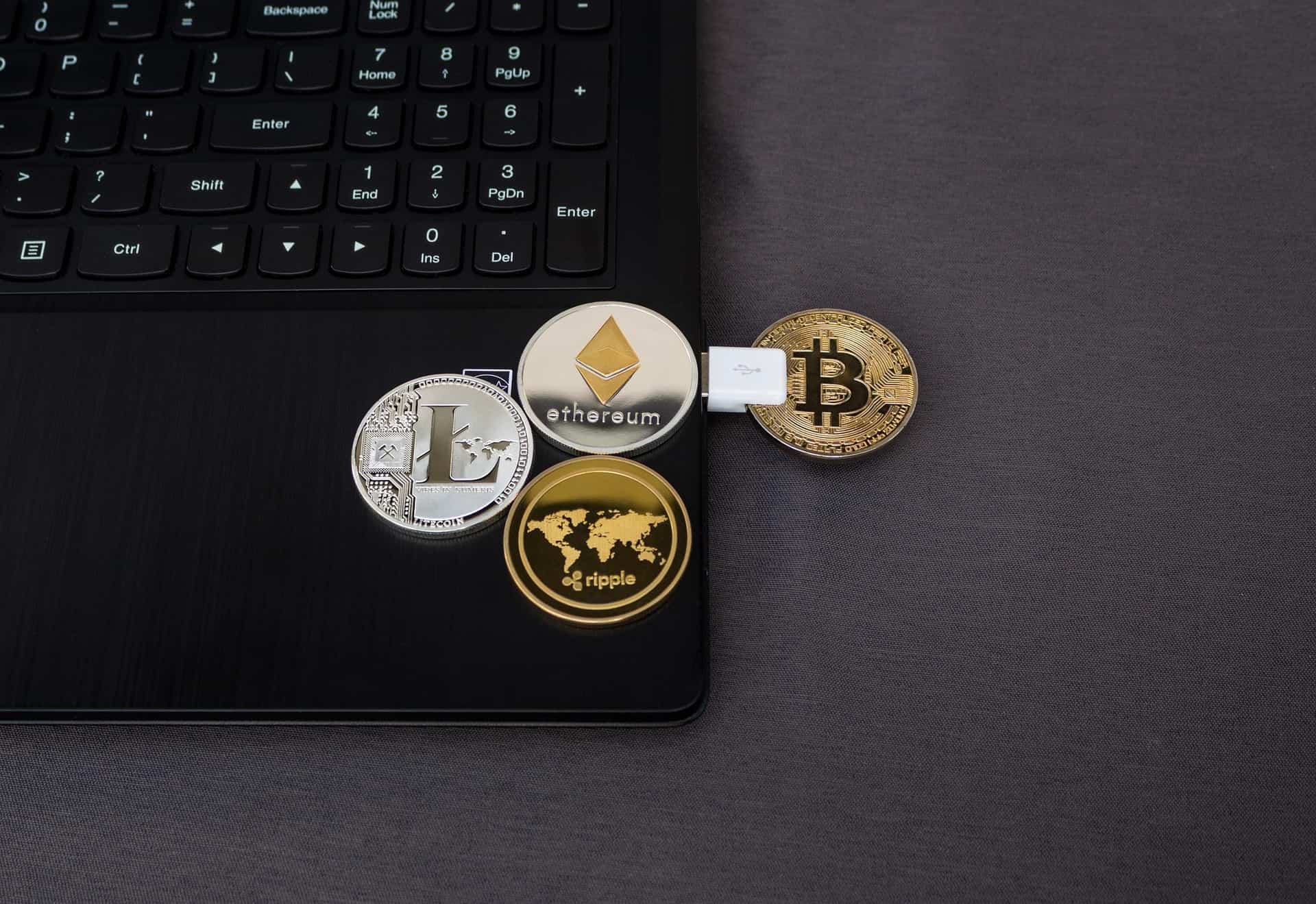
Photo by Nick Chong on Unsplash
Unlocking Free Crypto: Your Ultimate Guide to Best Crypto Airdrops and How to Find Them
Imagine this: You wake up one morning, grab your coffee, and casually check your crypto wallet. To your astonishment, there's a significant amount of a brand new token you've never bought, now worth thousands of dollars. A gift, seemingly out of nowhere, from a project you interacted with months ago. Sound like a dream? For many in the crypto world, this isn't a fantasy; it's the thrilling reality of a crypto airdrop.
I remember when the Uniswap airdrop happened. People who had simply used the decentralized exchange a few times found themselves with UNI tokens worth over $1,000 at launch, eventually soaring much higher. More recently, the Arbitrum airdrop turned many early users into instant crypto millionaires. These aren't isolated incidents. They represent a unique opportunity in the dynamic world of blockchain, a chance to get free crypto tokens simply for being an early adopter or an active participant in a blockchain project.
This guide isn't just about telling you that best crypto airdrops exist; it's a deep dive into understanding what they are, why they happen, and most importantly, how to find crypto airdrops that could potentially change your financial game. We’ll explore the strategies, the platforms, and the crucial safety measures needed to navigate this exciting frontier. So, pull up a chair, because we're about to embark on a journey to uncover some of the most rewarding opportunities in decentralized finance (DeFi).
What Exactly Are Crypto Airdrops? The "Why" Behind the Free Tokens
At its core, a crypto airdrop is a distribution of free tokens to multiple wallet addresses. Think of it like a startup giving away free shares of their company to early adopters or potential customers to generate buzz and encourage usage. In the blockchain world, it's a powerful marketing strategy and a method for token distribution.
Why do projects do this? Several key reasons drive the phenomenon of upcoming crypto airdrops:
- Marketing and Awareness: It's an excellent way to get a new token into many hands quickly, generating buzz and increasing awareness for a new protocol or dApp. It’s like a viral marketing campaign on steroids.
- Decentralization: By distributing tokens widely, projects aim to avoid concentration of power, fostering a more decentralized governance model where many token holders can participate in voting on future developments.
- Rewarding Early Adopters: Many of the most lucrative airdrops are "retroactive." This means projects reward users who have already been interacting with their platform or ecosystem before the token even launched. This acknowledges loyalty and encourages continued engagement.
- Community Building: Airdrops can help build a strong, engaged community around a project. People who receive free tokens are more likely to learn about the project, use its services, and spread the word.
Understanding this "why" is crucial because it helps us identify projects that are likely candidates for future airdrops. Projects with strong backing, innovative technology, and a clear vision for decentralization are often the ones to watch.
The Golden Ticket: How Airdrops Work and Different Types
So, how does a project decide who gets these valuable tokens? It's not entirely random. Most airdrops have specific criteria.
The "Snapshot" and Eligibility
The most common method involves a "snapshot." This is essentially a specific date and time when the project records the state of the blockchain. They look at various metrics:
Wallet Activity: Did you interact with their dApp? Did you bridge assets to their Layer 2 solution? Liquidity Provision: Did you provide liquidity to a pool on their platform or a related DEX? Volume and Value: How much value did you transact or lock on their platform? Staking: Did you stake tokens in their protocol? DAO Participation: Did you participate in governance votes for related projects?The more you "farm" a potential airdrop by actively using a protocol, the higher your chances and potential allocation.
Types of Airdrops You Might Encounter
Not all airdrops are created equal. Here are the main types:
- Standard Airdrops: Often advertised, requiring users to perform simple tasks like joining a Telegram group, following on Twitter, or submitting their wallet address. These are less common for high-value tokens now due to sybil attacks.
- Holder Airdrops: Tokens are distributed to addresses holding a specific cryptocurrency (e.g., Bitcoin, Ethereum, or a particular NFT) at the time of a snapshot.
- Bounty Airdrops: Users earn tokens by completing specific marketing tasks, like writing blog posts, creating videos, or finding bugs.
- Exclusive/Retroactive Airdrops: These are the big ones. They reward early, active users who have interacted with a protocol
Our focus for finding the best crypto airdrops will largely be on these retroactive opportunities, as they typically offer the most substantial rewards and are often the most legit crypto airdrops.
Hunting Grounds: Where to Find the Best Crypto Airdrops
Alright, friend, this is where the rubber meets the road. If you're serious about airdrop hunting, you need to know where to look and how to identify promising opportunities.
Dedicated Airdrop Platforms
Several websites specialize in listing upcoming crypto airdrops:
AirdropAlert.com: A long-standing platform that lists various airdrops, often including task-based ones. Always verify information from official sources. Airdrops.io: Similar to AirdropAlert, providing lists of current and upcoming distributions. DefiLlama.com (and similar analytics sites): While not exclusively an airdrop site, keeping an eye on new protocols with significant TVL (Total Value Locked) but no token can often signal future airdrop potential. Look for projects in early stages with venture capital backing.Social Media and Community Channels
This is where the real-time information often breaks:
Twitter: Follow prominent crypto influencers, blockchain news outlets, and the official accounts of promising Layer 2 solutions, DeFi protocols, and new DApps. Many projects will hint at or directly announce airdrop criteria here. Discord & Telegram: Join the official communities of projects you're interested in. Developers and community managers often drop subtle clues or answer questions that can reveal airdrop potential. Reddit (r/CryptoAirdrop, r/EthFinance, etc.): These communities often discuss potential airdrops and share insights.Proactive Engagement in Emerging Ecosystems
This is my personal favorite strategy for airdrop farming. Instead of waiting for announcements,
become an early user of promising projects that don't yet have a token. Layer 2 Solutions: Networks like zkSync, Starknet, and Linea are prime examples. Interact with their bridges, dApps, and testnets. Often, using a testnet can count as engagement, but mainnet activity is usually weighted more heavily. New DeFi Protocols: Explore new decentralized exchanges, lending platforms, or derivatives protocols on various chains. Provide liquidity, make swaps, borrow, or lend. NFT Marketplaces: Engage with new NFT platforms, especially those built on emerging chains or using novel mechanisms. Cross-Chain Bridges: Use new or less-known bridges to move assets between chains. Domain Name Services: Registering a decentralized domain (e.g., ENS, Space ID) can sometimes be a criterion.The key here is to identify projects that are building valuable infrastructure or applications, have strong backing, and don't yet have a native token. These are the golden geese.
The Art of Participation: Maximizing Your Chances
Once you've identified a promising project, how do you maximize your chances of receiving a substantial crypto airdrop? It’s about being a "good" user, not just a passive observer.
Step-by-Step for Airdrop Farming
- Dedicated Wallet: Set up a separate MetaMask or similar wallet specifically for airdrop hunting. Never use your main wallet with significant funds for interacting with new, unproven protocols.
- Fund Your Wallet (Minimally): Transfer a small amount of relevant crypto (e.g., ETH for Ethereum-based projects, USDC, etc.) to cover gas fees and small interactions.
- Interact with the Protocol:
- Consistent Activity: Don't just do one transaction. Try to interact with the protocol across multiple weeks or months. Projects often look for consistent, long-term engagement to filter out "sybil attackers" (bots or individuals creating many wallets for the sole purpose of farming airdrops).
- Utilize Testnets: Sometimes, engaging with a project's testnet (free, simulated environment) can also count towards eligibility or at least familiarize you with the platform.
- Track Your Activity: Keep a simple spreadsheet of projects you've interacted with, the dates, and the types of interactions. This helps you remember and verify eligibility later.
Staying Safe in the Airdrop Hunt: Don't Fall for Scams
This is critically important. The allure of free crypto attracts bad actors.
Phishing Scams: Beware of fake websites, malicious links, or direct messages asking for your seed phrase or private keys. NEVER share these. Fake Airdrops: If an airdrop asks you to send crypto to receive more back, it's almost certainly a scam. Legit crypto airdrops never require you to send funds. Impersonation: Scammers often impersonate official project accounts on social media. Always double-check the URL and social media handles. Look for verification badges and multiple sources confirming the information. Connect with Caution: Only connect your wallet to official and verified dApps. If you're unsure, do extensive research. Revoke Permissions: Regularly check and revoke token approvals for dApps you no longer use or don't fully trust using tools like Etherscan's Token Approvals page.Tax Considerations: The Unavoidable Reality
While airdrops are "free," they're not tax-free. In many jurisdictions, including the US, airdropped tokens are considered taxable income at their fair market value on the day you receive them. When you eventually sell those tokens, any gain or loss from that initial value will be treated as a capital gain or loss. Keep meticulous records of all airdrops received and their value at the time of receipt. Consult a tax professional for personalized advice.
Common Mistakes and How to Avoid Them
Based on my experience, here are some pitfalls to steer clear of:
Over-committing Funds: Don't put significant amounts of capital into unknown protocols just for a potential airdrop. Stick to small, manageable amounts. Ignoring Gas Fees: On networks like Ethereum mainnet, gas fees can quickly eat into potential profits. Consider farming on cheaper Layer 2s or alternative blockchains. Lack of Diversification: Don't put all your airdrop farming efforts into one project. Spread your activity across several promising protocols. Being a "Sybil Attacker": Trying to game the system by creating hundreds of wallets from a single IP address with minimal activity is often detected and penalized. Focus on genuine, quality interactions from fewer wallets. Not Tracking: Forgetting which wallets you used or what actions you took can lead to missed claims.Future Outlook and Trends in Airdrop Hunting
The airdrop landscape is constantly evolving. As projects become more sophisticated, so do their airdrop criteria.
Emphasis on Genuine Engagement: Expect more complex criteria that reward true users over simple sybil accounts. This means looking at on-chain metrics like transaction count, unique days of activity, and interaction with multiple features. Layer 2 Focus: With high gas fees on Ethereum mainnet, many lucrative upcoming crypto airdrops will likely come from Layer 2 solutions (Arbitrum, zkSync, Starknet, Linea, Base, etc.) and other high-throughput chains. NFT-Gated Airdrops: Holding specific NFTs might become a more common criterion for exclusive distributions. Retroactive Airdrops will Persist: The model of rewarding early, active users has proven highly effective and will likely continue.- Regulatory Scrutiny: As airdrops become more mainstream, expect increased regulatory attention, particularly regarding taxation and securities laws.
Conclusion: Your Journey to Unlocking Free Crypto Begins
The world of crypto airdrops is a thrilling blend of opportunity, innovation, and a bit of detective work. It's a testament to the decentralized ethos of rewarding community members and early adopters. While it requires patience, diligence, and a keen eye for promising blockchain projects, the potential rewards can be truly transformative.
Remember, the goal isn't just to chase "free money." It's about actively engaging with the cutting edge of technology, supporting innovative protocols, and participating in the growth of the decentralized web. By understanding the "why," knowing "where" to look, and diligently "how" to participate safely, you're not just hunting for tokens; you're becoming an integral part of the crypto revolution.
So, arm yourself with knowledge, practice smart security, and start exploring. The next big crypto airdrop could be just around the corner, waiting for you to claim your share of the decentralized future. Happy hunting!
