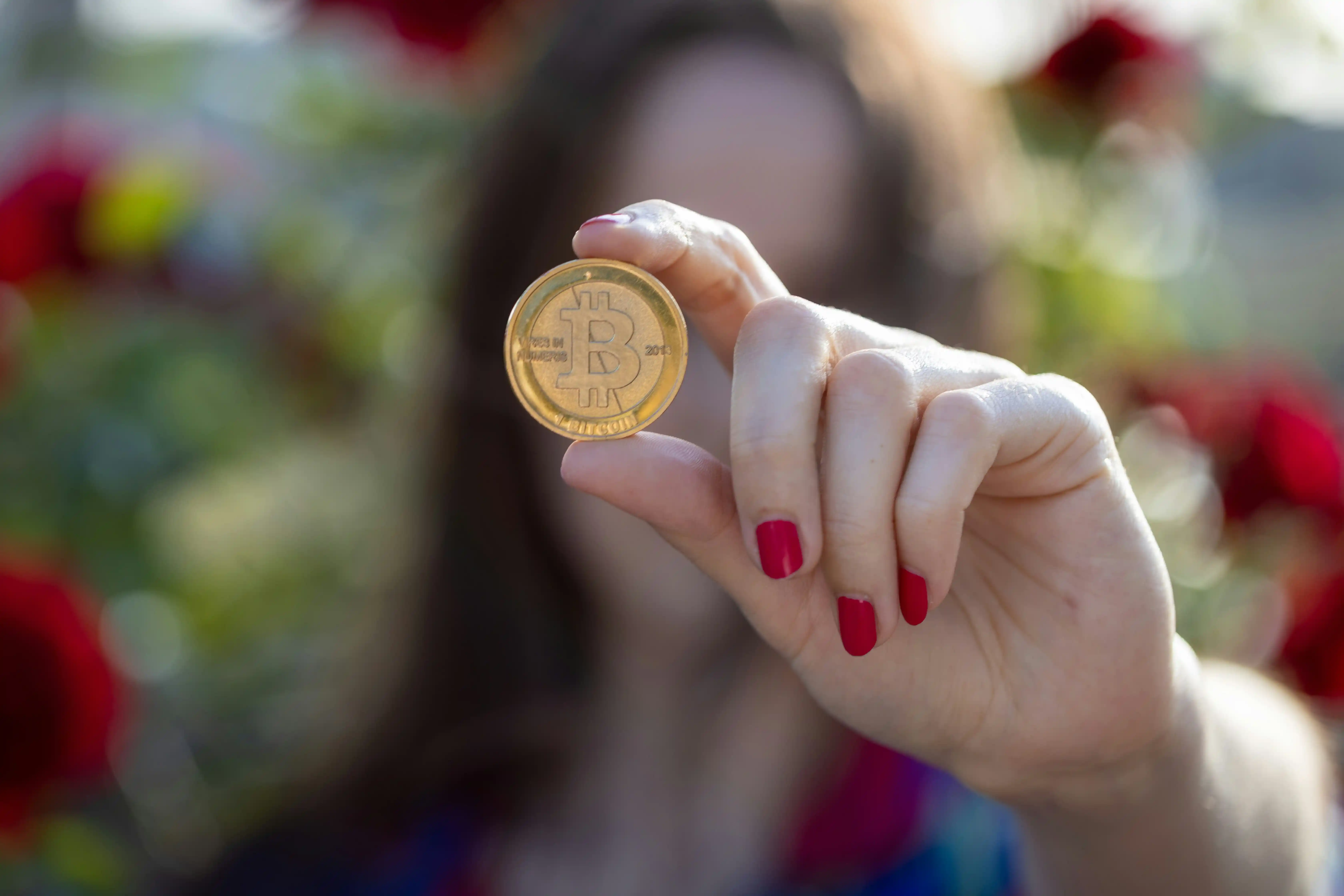
Quantitative Easing and Crypto in 2026: Will Bitcoin Be Your Hedge Against Money Printing?
Remember the days of 2020 and 2021? The world felt a bit like a rollercoaster, didn't it? Central banks, facing economic uncertainty, started injecting massive amounts of money into the global financial system. This "money printing," as it's often called, or more formally, quantitative easing (QE), had a ripple effect that many of us felt, whether we realized it or not. Fast forward to 2026, and the whispers of similar economic pressures are already in the air. How will this quantitative easing impact cryptocurrency in the coming years, and could Bitcoin as a hedge against money printing finally cement its reputation?
Here at Crypto Basic Guide, we're always looking ahead, trying to make sense of the complex forces shaping the future of digital assets. Today, let's pull back the curtain and explore what a potential wave of quantitative easing in 2026 might mean for your crypto holdings, using a narrative approach to make it relatable and actionable.
The Echoes of Past Money Printing: A Familiar Tune
Imagine you're standing at a concert. The band plays a familiar chord, and suddenly, the crowd erupts. That's what quantitative easing often feels like for asset markets. When central banks inject liquidity into the economy, it's like turning up the volume on available cash. Historically, this has often led to asset inflation, pushing up the prices of everything from stocks to real estate.
Back in the post-2008 financial crisis era and again during the pandemic, we saw this play out. Governments and central banks printed money (through QE) to stimulate economies. What happened? Investors, flush with cash, looked for places to put it, and many found their way into riskier assets, including cryptocurrencies. We saw Bitcoin and other altcoins surge, partly fueled by this easy money.
Now, let's fast forward to 2026. Economic indicators are showing some wobbles. Inflation, while perhaps cooling from recent highs, remains a concern. Geopolitical events create uncertainty. In such scenarios, central banks might again turn to QE as a tool to support growth and prevent a downturn. This isn't just an academic exercise; it's a potential reality that could significantly impact cryptocurrency prices.
Why 2026 Might Be Different (and the Same)
The key difference between past QE cycles and what we might see in 2026 lies in the evolving narrative around Bitcoin and cryptocurrencies. In the past, many viewed crypto as a niche, speculative asset. Today, the conversation has shifted. Institutions are more involved, regulatory frameworks are starting to solidify, and the "digital gold" narrative for Bitcoin is gaining traction.
This shift is crucial. If central banks initiate new rounds of quantitative easing, the narrative of Bitcoin as a hedge against money printing becomes more potent. People will remember how easy money previously inflated traditional assets, eroding purchasing power. They will ask: where can I preserve my wealth when the value of fiat currency is being diluted? This is where Bitcoin, with its finite supply, enters the picture.
The "Money Printing" Mechanism: How it Actually Works
Let's demystify this "money printing." When a central bank performs quantitative easing, it's not literally running a printing press. Instead, it buys assets, typically government bonds and other securities, from commercial banks and financial institutions. This injects new money into the banking system.
Think of it like this: imagine your bank has a vault full of IOUs (bonds). The central bank comes along and says, "We'll buy all these IOUs from you, and in return, we'll give you fresh cash." Now, your bank has more cash to lend out or invest. This increased liquidity can lower interest rates, encourage borrowing, and, as we've seen, often spills over into asset markets, leading to asset inflation.
This influx of cash can make traditional assets like stocks and bonds seem more attractive, but it also devalues the existing currency. If there's more money chasing the same amount of goods and services, prices tend to rise. This is the essence of inflation.
The Ripple Effect: From Central Bank to Your Wallet
So, how does this directly affect your crypto portfolio?
- Increased Liquidity Drives Investment: When there's more money sloshing around, investors often seek higher returns in potentially riskier assets. Cryptocurrencies, despite their volatility, have proven to be a magnet for such capital. We could see renewed interest and investment flowing into Bitcoin, Ethereum, and other altcoins.
- Devaluation of Fiat Currencies: As central banks expand their balance sheets through QE, the purchasing power of traditional currencies can diminish. This is where the "hedge" aspect comes into play. Assets with a fixed or limited supply, like Bitcoin, become more appealing as a store of value.
- Shifting Investor Sentiment: The narrative around quantitative easing and its inflationary consequences can significantly influence investor psychology. Fear of currency devaluation can drive a flight to perceived safe havens, and Bitcoin is increasingly being considered in this light by a growing segment of the market.
Bitcoin as the Ultimate Hedge? A Closer Look
The idea of Bitcoin as a hedge against money printing isn't new, but it's gained considerable momentum. Its scarcity, with a maximum supply of 21 million coins, is its most powerful characteristic in this regard. Unlike fiat currencies, which can be printed indefinitely, Bitcoin's supply is algorithmically capped.
Consider this: if a government prints trillions of dollars, the value of each individual dollar decreases. If the supply of Bitcoin remains fixed, and demand increases due to inflationary fears, its price, in dollar terms, should theoretically rise. It's like having a limited edition collectible. If more people want it and the supply never increases, the price goes up.
However, it's not a perfect hedge. Bitcoin is still a relatively young asset class and is known for its volatility. While it might rise significantly during QE periods, it can also experience sharp downturns due to market sentiment, regulatory news, or other factors.
Real-World Scenario: The Pandemic Boom
The most recent large-scale QE experiment, triggered by the COVID-19 pandemic, offered a glimpse into this dynamic. As central banks worldwide unleashed unprecedented stimulus packages, Bitcoin experienced a remarkable surge, breaking all-time highs. Many investors saw it as a direct response to the devaluing dollar and the perceived irresponsibility of "money printing." This period solidified the narrative for many that Bitcoin could indeed act as a digital store of value in inflationary times.
Navigating the 2026 Landscape: Practical Tips for Crypto Investors
If we do see another round of quantitative easing in 2026, how can you best position yourself?
1. Diversify Your Crypto Portfolio
Don't put all your eggs in one basket. While Bitcoin often leads the charge, other cryptocurrencies might also benefit. Research projects with strong fundamentals, real-world use cases, and solid development teams. This includes exploring smart contract platforms like Ethereum, decentralized finance (DeFi) protocols, and emerging sectors.
2. Dollar-Cost Averaging (DCA)
This is a strategy where you invest a fixed amount of money at regular intervals, regardless of the price. It helps mitigate the risk of buying at a market peak. If prices dip, your fixed investment buys more crypto. If prices rise, you're still accumulating. This is a disciplined approach that can be particularly effective during volatile periods.
How to DCA: Decide on a cryptocurrency (e.g., Bitcoin). Determine your investment amount (e.g., $100 per week). Set up automatic recurring buys on your chosen exchange if available, or manually execute trades at consistent intervals.3. Understand Your Risk Tolerance
Cryptocurrency is inherently volatile. Before investing, assess how much risk you're comfortable taking. If the prospect of significant price drops makes you lose sleep, you might want to allocate a smaller portion of your portfolio to crypto or stick to more established assets like Bitcoin and Ethereum.
4. Stay Informed, Not Emotional
The crypto market can be driven by hype and FUD (Fear, Uncertainty, and Doubt). When discussions about quantitative easing and cryptocurrency heat up, expect a lot of noise. Stick to reputable sources, understand the underlying economic drivers, and avoid making impulsive decisions based on social media trends.
Common Mistakes to Avoid
In my years of observing the crypto market, I've seen people make the same mistakes repeatedly, especially during periods of economic uncertainty:
Chasing Pump-and-Dumps: When a coin suddenly surges, it's tempting to jump in. However, these pumps are often followed by sharp dumps, leaving latecomers with losses. Focus on long-term value, not short-term speculative gains. Over-Leveraging: Using leverage can magnify gains but also losses. During volatile QE-driven markets, over-leveraging can lead to rapid liquidation of your positions. Stick to spot buying unless you have a deep understanding of margin trading and its risks.- Ignoring Security: As more money flows into crypto, the risk of scams and hacks increases. Always use strong, unique passwords, enable two-factor authentication (2FA), and consider hardware wallets for significant holdings.
The Future Outlook: A World of Digital Scarcity?
The interplay between central bank policies and digital assets is becoming increasingly significant. As governments grapple with economic challenges, the tools they employ, like quantitative easing, will inevitably shape the landscape for assets like Bitcoin.
By 2026, we might see an even more mature crypto market, one that has weathered multiple economic cycles. The narrative of Bitcoin as a digital store of value, a hedge against inflation and currency debasement, will likely be tested and potentially solidified.
The "money printing" continues to be a powerful narrative, and with it, the appeal of assets with verifiable scarcity. While the future is never certain, understanding these macro-economic forces and how they can impact cryptocurrency is crucial for any informed investor.
Conclusion: Preparing for the Unknown
The prospect of renewed quantitative easing in 2026 presents a fascinating scenario for the cryptocurrency market. It could reignite the debate and the practical application of Bitcoin as a hedge against money printing, potentially driving significant demand. The lessons from past QE cycles, particularly the pandemic era, suggest that increased liquidity and currency devaluation can indeed spur interest in digital assets with fixed supplies.
For us at Crypto Basic Guide, the takeaway is clear: stay informed, diversify your holdings, employ sound investment strategies like dollar-cost averaging, and always prioritize security. By understanding the forces at play and preparing thoughtfully, you can navigate the evolving crypto landscape with greater confidence, even as central banks continue to influence the global financial narrative. The journey into 2026 is one of anticipation, and for crypto enthusiasts, it promises to be an interesting one.
