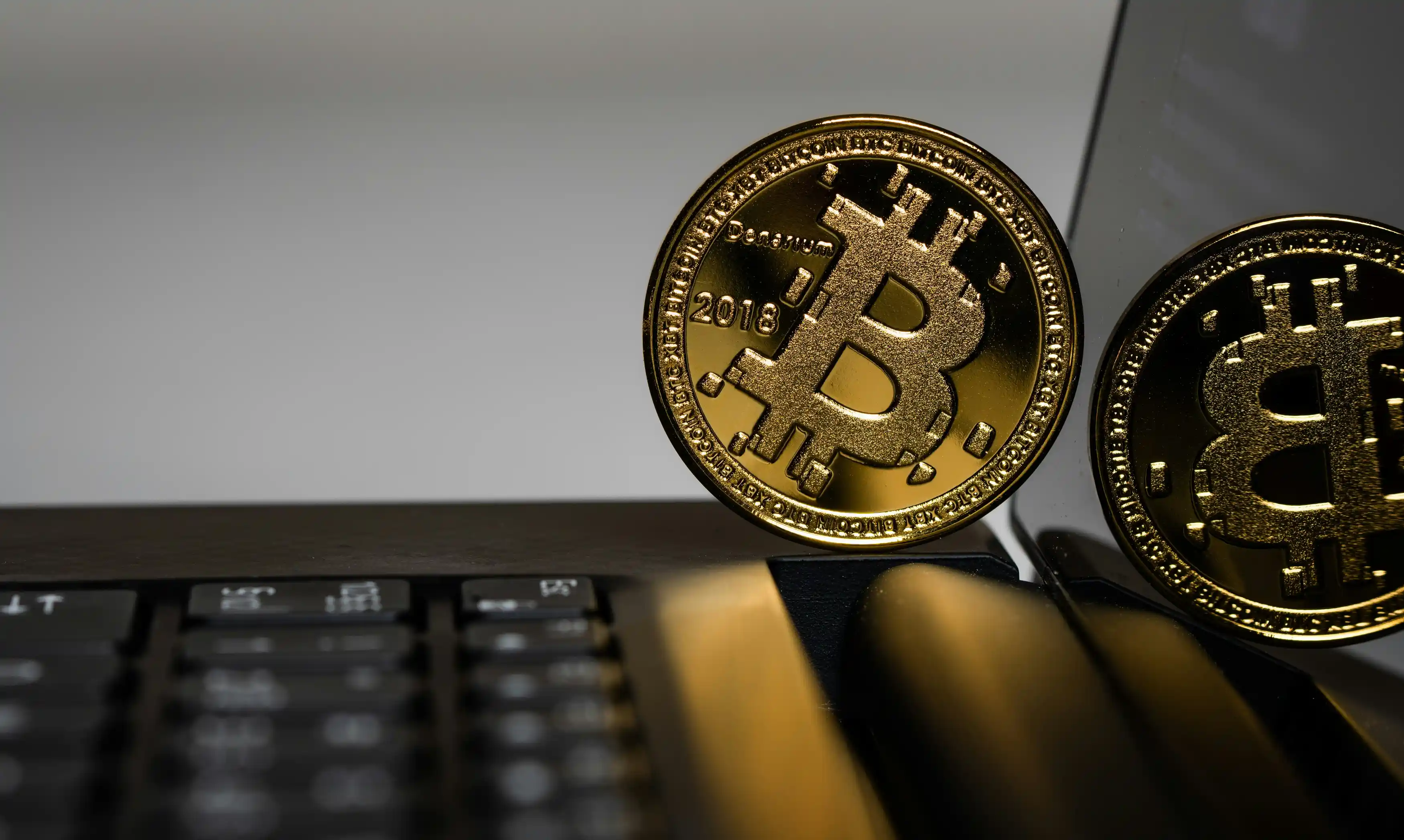
Bitcoin vs Gold 2026: Is Digital Gold the Future Store of Value?
Ever felt that gut feeling, that quiet whisper in the back of your mind, telling you that the way we store wealth might be on the cusp of a seismic shift? Imagine you're sitting at a café, the aroma of coffee mingling with the chatter of passersby. You pull out your phone, not to scroll through social media, but to check the price of a digital asset that, just a decade ago, sounded like science fiction. Now, it's a conversation starter, a serious contender in the age-old debate of what truly holds value. This is the reality we're stepping into, and the question on many minds is: how does Bitcoin stack up against gold, our traditional safe haven, as we look towards 2026?
The Age-Old Debate: Gold, the King of Stores of Value
For millennia, gold has been the undisputed champion of wealth preservation. Think of ancient civilizations, pharaohs adorning themselves with golden artifacts, or merchants safeguarding their fortunes in gleaming ingots. Gold’s allure isn't just about its beauty; it's deeply rooted in its inherent characteristics. It’s scarce, meaning we can’t just magically conjure more of it. It’s durable, resisting corrosion and decay, a physical testament to its enduring value. And, crucially, it’s portable. Imagine carrying a king’s ransom in gold coins – a tangible representation of power and prosperity.
This historical dominance means gold carries an immense psychological weight. When economic uncertainty looms, when inflation starts nibbling away at our savings, where do people instinctively turn? To gold. It’s the default safe haven, the asset that whispers reassurance during turbulent times. Its price movements, while sometimes volatile, are often seen as a barometer of global economic health.
Enter Bitcoin: The Digital Gold Rush
Then came Bitcoin. Born from the ashes of the 2008 financial crisis, it was a radical reimagining of money and value. Unlike gold, which you can see, touch, and feel, Bitcoin exists as a ledger, a decentralized network of computers verifying transactions. This might sound abstract, but it's this very abstraction that gives it unique powers.
Bitcoin's scarcity is hard-coded into its very DNA. There will only ever be 21 million Bitcoins. This is a fixed, predictable supply, unlike gold, where new discoveries can, and do, increase the available supply. This mathematical certainty is a powerful allure for those who believe in the long-term preservation of purchasing power.
Think about it like this: imagine you have a limited edition collectible. The fewer there are, and the more people want it, the higher its value tends to climb. Bitcoin operates on a similar principle, but on a global, digital scale. The limited supply, combined with increasing adoption and demand, creates a compelling narrative for its future value.
Comparing the Giants: Scarcity, Portability, and Historical Performance
Let's break down the core aspects that make something a good store of value and see how Bitcoin and gold measure up as we look towards 2026.
Scarcity: A Fixed Supply vs. The Earth's Bounty
As mentioned, Bitcoin's scarcity is its trump card. The 21 million coin limit is an unchangeable fact. This is a stark contrast to gold. While gold is also scarce, new mining techniques and the discovery of new deposits can increase its supply. This means gold's scarcity is relative and subject to the Earth's geological surprises.
For Bitcoin, this fixed supply is a deliberate design choice. It’s like having a digital vault with a precisely counted number of gold bars, and knowing no one can ever add more. This predictability is incredibly appealing in an era where central banks can print money at will, potentially devaluing fiat currencies.
Portability: The World in Your Pocket vs. The Weight of Wealth
Here's where Bitcoin truly shines. Imagine you own a significant amount of gold. Moving it across borders, storing it securely, or even just carrying it around is a logistical challenge. It’s heavy, it’s bulky, and it attracts unwanted attention.
Now, imagine owning the equivalent value in Bitcoin. It can be stored on a hardware wallet, a tiny device the size of a USB stick, or even just a series of words (a seed phrase) that can be memorized. You can transfer millions of dollars worth of Bitcoin across the globe in minutes, with relatively low fees, all from your smartphone. This unparalleled portability is a game-changer, especially for globalized economies and individuals who value financial freedom and mobility.
Think of a digital nomad who needs to manage their wealth across multiple continents. For them, Bitcoin's portability offers a level of convenience that gold simply cannot match.
Historical Performance: The Track Record of Two Assets
Gold has a track record stretching back thousands of years, a testament to its enduring value. Its price has seen periods of significant appreciation and depreciation, often acting as a hedge against inflation and economic instability.
Bitcoin, on the other hand, is a relative newcomer. Its history is much shorter, but its performance has been nothing short of spectacular. In just over a decade, it has gone from a niche digital curiosity to a multi-billion dollar asset class. Its price has experienced astronomical booms and significant busts, reflecting its early-stage volatility and the speculative nature of its market.
However, as Bitcoin matures, institutional investors are increasingly taking notice. We've seen major financial institutions allocate capital to Bitcoin, and the development of regulated financial products around it. This growing acceptance suggests that Bitcoin's historical performance, while shorter, is increasingly being viewed through the lens of a legitimate, albeit volatile, asset.
Real-World Scenarios: Who Wins and Why?
Let's paint a picture. Imagine two individuals, Sarah and David, both looking to preserve their wealth for the long term.
Sarah, a traditional investor, buys physical gold ETFs and keeps some in a safety deposit box. When geopolitical tensions rise, she feels a sense of security knowing her gold is there. However, if she needs to liquidate a portion quickly for an emergency, the process can involve selling to a dealer, potential assaying (testing the gold's purity), and waiting for funds to clear.
David, on the other hand, invests in Bitcoin. He stores his private keys securely, perhaps using a reputable hardware wallet. When he needs to access funds, he can sell his Bitcoin on an exchange and have fiat currency in his bank account within hours, regardless of his geographical location. If he’s traveling abroad, he doesn't need to worry about carrying physical assets; his wealth is accessible with his private keys.
Now, consider a scenario of hyperinflation. If a country's currency rapidly loses value, gold would likely hold its purchasing power, as it has historically. Bitcoin, with its fixed supply and increasing global adoption, could also see its value surge as people seek refuge from devaluing fiat. The key difference is how easily and quickly that value can be accessed and used.
Navigating the Risks and Rewards
It's crucial to be honest about the risks. Bitcoin’s volatility is its most significant drawback. While its potential for growth is immense, its price can plummet just as quickly as it can rise. Regulatory uncertainty, while decreasing, still exists in some jurisdictions. And, of course, the risk of losing your private keys means losing access to your Bitcoin forever.
Gold, while more stable, doesn't offer the same explosive growth potential. Its returns are generally more modest compared to Bitcoin's historical highs. Storage can also be a concern, with risks of theft or loss if not managed properly.
Practical Tips for the Savvy Investor
If you're considering how Bitcoin might fit into your long-term wealth strategy, here are a few practical tips:
- Educate Yourself: Before investing a single dollar, understand what Bitcoin is, how it works, and the technology behind it. Visit resources like Crypto Basic Guide to deepen your knowledge.
- Start Small: You don't need to invest your life savings. Begin with an amount you can afford to lose. This allows you to learn the ropes without significant financial pressure.
- Secure Your Assets: If you decide to buy Bitcoin, prioritize security. Use reputable exchanges and consider hardware wallets for long-term storage. Understand the concept of private keys and seed phrases.
- Dollar-Cost Averaging (DCA): Instead of trying to time the market, invest a fixed amount regularly, regardless of the price. This strategy can help mitigate the impact of volatility over time.
- Diversify: Don't put all your eggs in one basket. Consider how Bitcoin fits into a broader investment portfolio that might also include traditional assets.
Common Mistakes to Sidestep
From my experience and observing the market, here are a few pitfalls to avoid:
FOMO (Fear Of Missing Out): Buying impulsively because the price is skyrocketing is a recipe for disaster. Always invest based on research and a well-thought-out strategy. Panic Selling: When the market dips, it’s easy to get scared and sell at a loss. Remember that volatility is a characteristic of Bitcoin, and long-term investors often ride out these downturns. Ignoring Security: Losing your Bitcoin due to poor security practices is a painful lesson. Treat your digital assets with the same, if not greater, care as you would your physical valuables. Chasing "Get Rich Quick" Schemes: Be wary of anyone promising guaranteed high returns with little to no risk. The crypto space, like any investment, involves risk.The Future Outlook: 2026 and Beyond
As we look towards 2026, the landscape for both Bitcoin and gold is evolving. We're likely to see continued institutional adoption of Bitcoin, potentially leading to increased price stability and further integration into traditional financial systems. Regulatory clarity will likely improve, reducing some of the perceived risks.
Gold will undoubtedly remain a significant store of value, its historical significance unshakeable. However, its role might shift slightly as digital assets gain more traction. We could see a future where both assets play complementary roles in a diversified wealth preservation strategy.
The narrative of "digital gold" for Bitcoin is gaining momentum. Its scarcity, portability, and decentralized nature offer a compelling alternative to traditional assets. While it won't replace gold overnight, its potential to disrupt and complement existing wealth preservation methods is undeniable.
Conclusion: A New Chapter in Wealth Preservation
The comparison between Bitcoin and gold isn't about one definitively "winning." It's about understanding the evolving nature of value and how different assets cater to different needs and risk appetites. Gold has earned its place as the venerable store of value through millennia of consistent performance. Bitcoin, however, represents a new paradigm – a digital, scarce, and globally accessible asset with the potential to redefine how we think about wealth in the 21st century.
As we move closer to 2026, the conversation will undoubtedly intensify. Whether you're a seasoned investor or just curious about the future of money, understanding the strengths and weaknesses of both Bitcoin and gold is crucial. The future of wealth preservation might just be a blend of the old and the new, the tangible and the digital, offering unprecedented opportunities for those who are informed and prepared.
