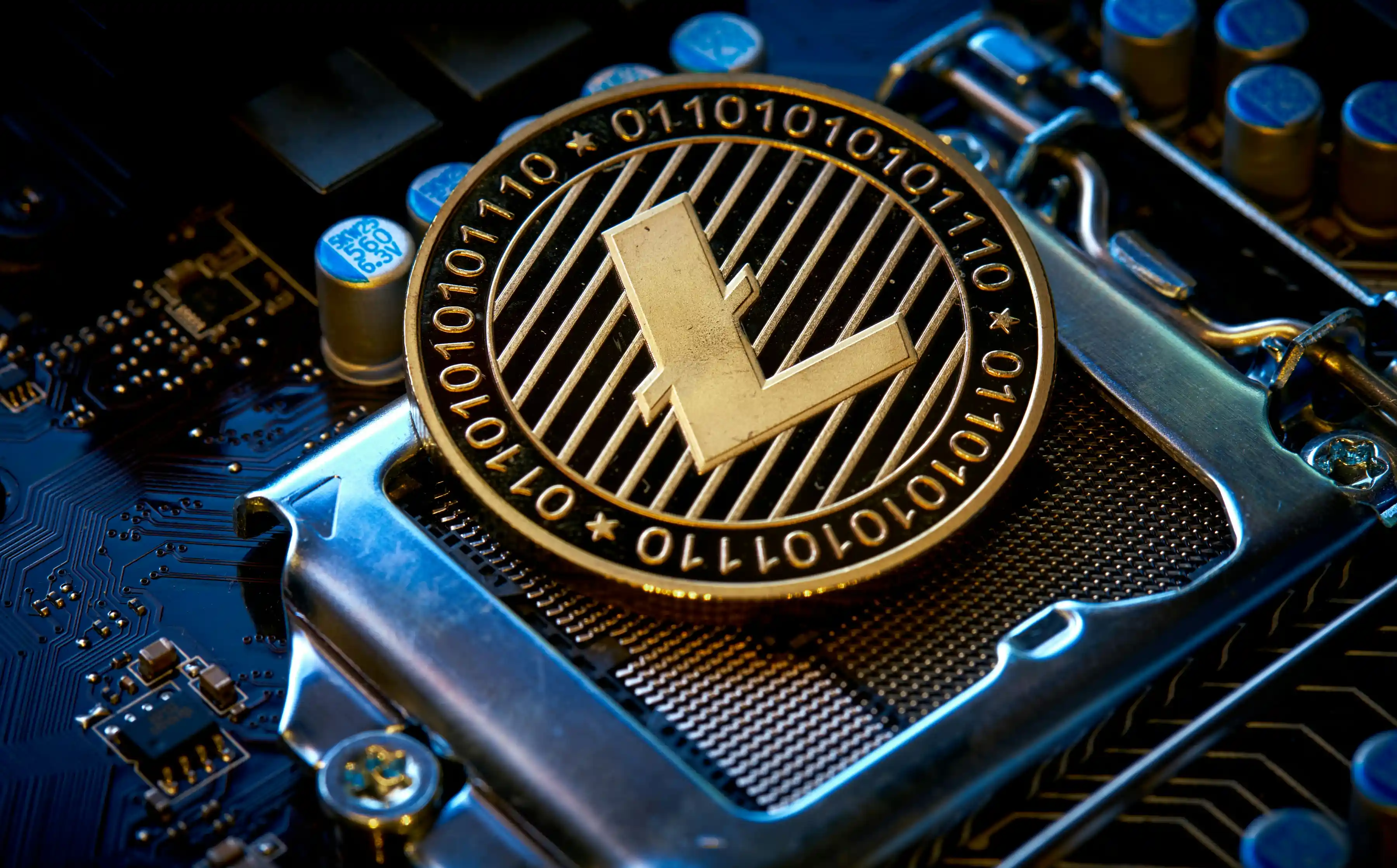
Bitcoin Maximalism vs. Crypto Pluralism: Navigating the 2026 Digital Frontier
The Fork in the Road: A Tale of Two Crypto Philosophies
Imagine this: It's 2026. You're sitting in your favorite coffee shop, the familiar aroma of roasted beans filling the air. Your phone buzzes. A notification from your crypto wallet. You glance at it, a mix of anticipation and mild dread washing over you. Is it good news? Bad news? In the wild, often unpredictable world of digital assets, even a seemingly simple notification can feel like a crossroads. This, my friends, is precisely where the philosophical debate between Bitcoin Maximalism and Crypto Pluralism truly hits home. It's not just about which coin is "best"; it's about the very future of decentralized technology and how we choose to participate in it.
Welcome to the Crypto Crossroads: Why This Debate Matters Now
Hey everyone, welcome back to Crypto Basic Guide! Today, we're diving deep into a conversation that’s been simmering in the crypto space for years but is set to become even more critical as we approach 2026. We're talking about Bitcoin maximalism versus crypto pluralism. Now, I know what some of you might be thinking: "Isn't this just an old argument about whether Bitcoin is the only coin that matters?" Well, yes and no. While the core tenets remain, the implications for your investment strategy, your understanding of decentralization, and the future trajectory of this entire ecosystem are more profound than ever.
Think of it like this: In the early days of the internet, there were debates about whether one protocol or one company would dominate. We ended up with a diverse, albeit sometimes messy, digital landscape. Crypto is at a similar inflection point. Understanding these two core philosophies can help you make more informed decisions, navigate market volatility, and truly grasp the underlying forces shaping the digital currency and blockchain technology landscape. This isn't just for the hardcore tech enthusiasts; it's for anyone looking to understand where their investments might be heading and why.
The Unwavering Faith: The Philosophy of Bitcoin Maximalism
At its heart, Bitcoin maximalism is a belief system, almost a creed. The core tenet is simple, yet powerful: Bitcoin is the only true form of decentralized digital money. Maximalists often view other cryptocurrencies, or "altcoins" as they're commonly called, as fundamentally flawed, centralized, or simply distractions from Bitcoin's singular mission. They see Bitcoin as the digital gold standard, a secure, censorship-resistant store of value and a peer-to-peer electronic cash system, unburdened by the complexities and perceived vulnerabilities of other projects.
The Pillars of Bitcoin’s Supremacy
Why such fervent dedication? For maximalists, it boils down to a few key strengths. Firstly, decentralization. Bitcoin’s network is incredibly robust, with thousands of nodes spread across the globe, making it virtually impossible for any single entity to control or shut down. This is often contrasted with altcoins that might have fewer validators or more concentrated ownership, raising concerns about censorship and manipulation. Secondly, security. Bitcoin’s proof-of-work consensus mechanism, while energy-intensive, is incredibly secure due to its immense computational power. It’s the most battle-tested blockchain out there, having weathered numerous storms.
Think about it like this: Imagine you're building a fortress. A maximalist would argue that Bitcoin is the bedrock, the granite foundation that has been tested by earthquakes and sieges. Altcoins, in their view, are built on sand, or perhaps on more easily accessible, but ultimately less secure, materials. The narrative is that Bitcoin’s scarcity (capped at 21 million coins), its immutability, and its established network effects make it the ultimate digital asset, destined to be the dominant form of money in the future. They often point to its long history and consistent performance as proof of its resilience.
The Diverse Garden: The Case for Crypto Pluralism
On the other side of the fence, we have the crypto pluralists. This perspective embraces the idea that the blockchain and cryptocurrency ecosystem is not a zero-sum game. Instead, they believe that different blockchains and tokens can coexist, each serving unique purposes and catering to different needs. They see the innovation happening across the altcoin space not as a distraction, but as a vital evolution of the technology.
Beyond Bitcoin: Innovation and Utility
Pluralists often highlight the advancements made by other projects. For instance, Ethereum's smart contract capabilities have unlocked a universe of decentralized applications (dApps), from decentralized finance (DeFi) to non-fungible tokens (NFTs). Projects focusing on privacy, scalability, or specific industry solutions offer functionalities that Bitcoin, by design, does not prioritize. They might argue that Bitcoin is excellent as a store of value, but for everyday transactions or complex financial applications, other blockchains offer superior solutions.
Consider the analogy of transportation. Bitcoin might be the ultimate secure vault for your wealth, like gold stored in a national reserve. But for daily commutes, you need a reliable car. For long-haul flights, you need a plane. Each serves a different purpose. Pluralists believe the crypto space needs this diversity to truly fulfill its potential. They point to the rapid development in areas like layer-2 scaling solutions on Ethereum, or novel consensus mechanisms in newer blockchains, as evidence of the vibrant innovation that a pluralistic approach fosters.
The Decentralization Debate: A Core Conflict
At the heart of the Bitcoin maximalist vs. crypto pluralist debate lies a fundamental disagreement about decentralization.
Defining Decentralization: A Spectrum, Not a Binary
Maximalists often have a very strict definition of decentralization, prioritizing the number of nodes, mining decentralization, and the absence of central governance. They might scrutinize projects with foundations, large corporate backing, or even significant token allocations to early investors as inherently less decentralized and therefore riskier.
Pluralists, however, often see decentralization on a spectrum. They might acknowledge that a project has some centralized elements but argue that it still offers significant advantages in terms of usability, innovation, or adoption. They might point to the progress made by projects like Solana or Avalanche in achieving high transaction speeds and low fees, even if their consensus mechanisms are different from Bitcoin’s. The argument here is that a system that is "sufficiently decentralized" and offers real utility can be more valuable than a perfectly decentralized system that is slow or impractical for widespread use.
Navigating the Waters: Practical Strategies for 2026
So, as we look towards 2026, how do you, as an informed participant in this space, navigate these differing philosophies? It’s less about picking a side and more about understanding the strengths and weaknesses of each perspective.
My Two Cents: A Balanced Approach
Personally, I lean towards a pluralistic view, but with a deep respect for Bitcoin’s foundational role. I see Bitcoin as the bedrock of the digital asset world, the ultimate hedge against traditional financial systems and a store of value. However, I also believe that the innovation happening on other blockchains, particularly in areas like smart contracts, DeFi, and specialized applications, is crucial for the broader adoption and utility of blockchain technology.
Think about your own financial goals. Are you primarily looking for a long-term store of value to protect your wealth against inflation? Bitcoin might be your primary focus. Are you interested in participating in the burgeoning world of decentralized finance, building applications, or exploring new forms of digital ownership? Then exploring other, more specialized blockchains becomes essential.
Common Pitfalls and How to Dodge Them
One of the biggest mistakes people make is falling into ideological echo chambers.
The Echo Chamber Effect
Maximalist Trap: Blindly dismissing all altcoins can mean missing out on significant technological advancements and potential investment opportunities. You might be so focused on Bitcoin that you overlook projects that are solving real-world problems with innovative blockchain solutions. Altcoin Hype Syndrome: Conversely, chasing every new shiny altcoin without understanding its fundamentals, use case, or the actual decentralization of its network can lead to substantial losses. Many altcoins are speculative and lack the long-term viability of more established projects. How to avoid this: Do your own research (DYOR) with a critical eye. Understand the technology, the team, the tokenomics, and the community behind any project you consider. Don't just listen to the loudest voices.The Road Ahead: Trends Shaping 2026
As we move closer to 2026, several trends will likely intensify the Bitcoin maximalism vs. crypto pluralism debate:
Regulatory Clarity: As governments worldwide develop clearer regulations for cryptocurrencies, the debate about which assets are truly decentralized and pose less risk will become even more pronounced. Scalability Solutions: Continued advancements in layer-2 scaling solutions for networks like Ethereum, and the rise of newer, high-throughput blockchains, will challenge Bitcoin's dominance in transaction speed and cost.- Institutional Adoption: As more institutions enter the crypto space, their investment strategies will likely reflect a mix of Bitcoin as a store of value and potentially other digital assets for specific use cases.
Conclusion: Charting Your Course in the Digital Frontier
The debate between Bitcoin maximalism and crypto pluralism isn't just an academic exercise; it's a fundamental question about the future of decentralized technology. By understanding both perspectives, you can build a more robust and informed approach to your crypto journey.
Whether you believe in the singular power of Bitcoin as the ultimate digital gold, or you embrace the vibrant, diverse ecosystem of innovation that altcoins represent, the key is education, critical thinking, and a clear understanding of your own goals. The year 2026 will undoubtedly bring new challenges and opportunities. By staying informed and adaptable, you’ll be well-equipped to navigate the evolving landscape of digital currency and blockchain technology. Happy investing, and remember to always do your own research!
