State Channels and Payment Channels: Unlocking Instant, Scalable Blockchain Transactions
Imagine this: you're at a bustling marketplace, but instead of cash, you're dealing with a cryptocurrency. Every single transaction, from buying a single apple to a whole basket of goods, requires confirmation on a global ledger. It’s slow, it’s expensive, and frankly, it’s not how we shop in the real world. This is the scalability challenge that’s long plagued blockchain technology, and it’s where fascinating solutions like state channels and payment channels come into play. If you've heard whispers about off-chain transactions and instant payments in the crypto world, you're about to discover the magic behind them.
The Blockchain Bottleneck: A Tale of Two Friends and a Coffee Shop
Let’s paint a picture. Meet Alex and Ben. They’re good friends, and they love grabbing coffee at their favorite local spot. Alex, ever the early adopter, has been using a popular cryptocurrency for his daily transactions. Ben, on the other hand, is still a bit hesitant.
One morning, Alex wants to buy Ben a coffee. He pulls out his phone, initiates a transaction, and… waits. The transaction needs to be broadcast to the network, miners need to pick it up, and it needs to be included in a block. This can take minutes, sometimes even longer, especially during peak network activity. The coffee shop owner isn’t thrilled about waiting for an on-chain confirmation for every single latte. And the transaction fees? For a small purchase like a coffee, they can sometimes be disproportionately high.
This is the everyday reality of trying to use a blockchain for frequent, small transactions. It's like trying to send a letter across the country for every single text message you send. It’s inefficient, costly, and far from the seamless experience we expect in modern commerce. This is the fundamental problem that state channels and payment channels are designed to solve. They offer a way to move a vast number of transactions off the main blockchain, making them faster, cheaper, and more scalable.
Enter the Channels: Creating a Private Transaction Highway
So, how do these magical channels work? Think of it like opening a tab at your favorite bar. Instead of paying for each drink individually with your credit card (which involves multiple network approvals and fees), you tell the bartender, "Put it on my tab." You then have a running tally, and you only settle up at the end of the night, making one final payment.
State channels and payment channels operate on a similar principle, but with a blockchain foundation. They are essentially agreements between two or more parties to conduct a series of transactions off the main blockchain, only settling the final balance on-chain when the channel is closed.The Foundation: Opening a Channel with a Smart Contract
Before Alex and Ben can start their coffee spree, they need to establish a channel. This is done by creating a special smart contract on the blockchain. Let’s break down what happens:
- The Initial Deposit: Alex and Ben each lock up a certain amount of cryptocurrency into this smart contract. This acts as collateral. For our coffee example, Alex might lock 0.1 BTC, and Ben might lock 0.1 BTC. This deposit is recorded on the blockchain, making it a secure, verifiable starting point.
- The Signed Agreement: The smart contract itself represents the agreement. It dictates the rules of the channel – how transactions are signed, how the channel can be closed, and what happens if there are disputes. Crucially, it allows Alex and Ben to exchange signed transaction updates between themselves without broadcasting them to the entire blockchain.
The Off-Chain Dance: A Symphony of Signed Updates
Once the channel is open, Alex and Ben can transact freely and instantly. Let’s say Alex buys Ben a coffee for 0.001 BTC.
- The Transaction: Alex creates a transaction that says, "I owe Ben 0.001 BTC." He signs this transaction with his private key.
- The Update: He sends this signed transaction to Ben. Ben verifies Alex's signature. If it's valid, Ben then creates a counter-transaction reflecting the new balance (e.g., "Alex now owes Ben 0.001 BTC in total," or if Ben had already bought Alex a coffee, it would adjust the net balance). Ben signs this update and sends it back to Alex.
- The Cycle Repeats: They continue this process for every coffee, every snack, every time Alex buys Ben lunch. Each exchange is a signed, cryptographically verified update to their shared balance within the channel. These updates are never broadcast to the main blockchain. They are private agreements between Alex and Ben.
This is the core of off-chain transactions. They are lightning-fast because they don't need to wait for blockchain confirmation. They are incredibly cheap because there are no per-transaction fees to the miners.
Closing the Channel: The Final Settlement
Eventually, Alex and Ben decide to close their coffee tab. They've had a dozen coffees, a few sandwiches, and maybe even a pastry. The net result is that Alex owes Ben 0.05 BTC.
- The Final State: They both agree on the final balance. Alex sends Ben the final signed transaction that reflects this net balance.
- On-Chain Settlement: Ben takes this final, mutually agreed-upon signed transaction and broadcasts it to the main blockchain. The smart contract verifies the signature and the final state.
- The Result: The blockchain then executes the settlement based on this final transaction, moving the 0.05 BTC from Alex’s locked funds to Ben’s.
Only this single, final transaction is recorded on the main blockchain. All the intermediate transactions – all those coffees and snacks – happened instantly and frictionlessly off-chain. This is where the incredible scalability comes from. Instead of thousands of small transactions hitting the main chain, you have one opening transaction, a series of off-chain updates, and one closing transaction.
Beyond Coffee: Real-World Applications and the Lightning Network
The concept of state channels isn't just theoretical. It's the backbone of solutions designed to make cryptocurrencies practical for everyday use.
The Lightning Network: Bitcoin's Off-Chain Superhighway
Perhaps the most famous example is the Lightning Network, built on top of Bitcoin. It’s essentially a vast network of interconnected payment channels. When Alex and Ben open a payment channel, they are joining this larger ecosystem.
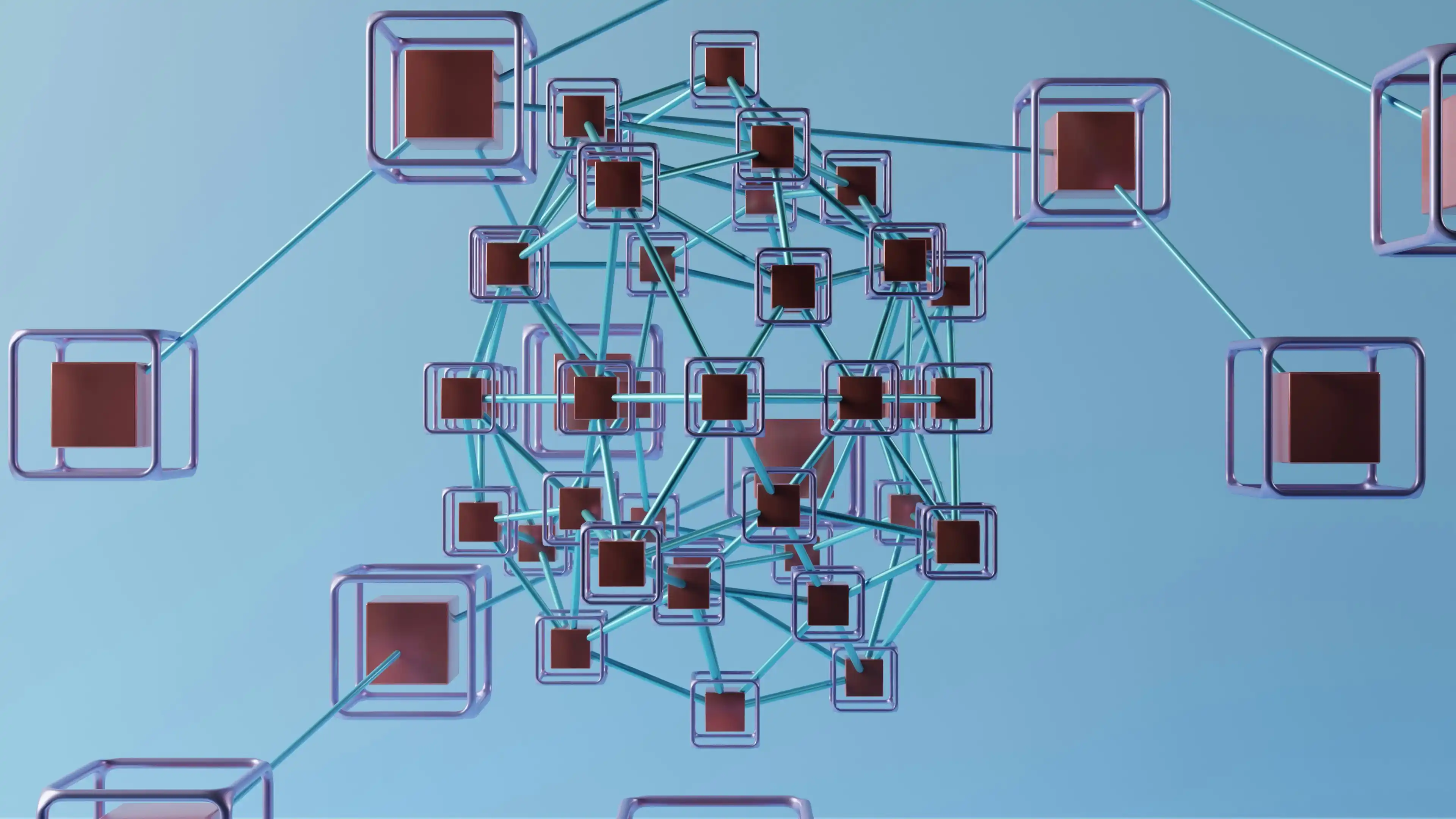
Think of it like a massive web. If Alex has a channel with Ben, and Ben has a channel with Chloe, Alex can potentially send a payment to Chloe through Ben, even if Alex and Chloe don't have a direct channel open. The Lightning Network intelligently routes these payments across multiple interconnected channels, making it possible to send instant, low-fee Bitcoin payments across the globe. This is what enables things like micro-payments for online content or fast payments at physical retailers.
Raiden Network: Ethereum's Answer
Similarly, for Ethereum, the Raiden Network provides a similar off-chain payment solution. It allows for fast, cheap, and scalable token transfers on Ethereum, which is crucial for decentralized applications (dApps) that require frequent interactions. Imagine a decentralized game where you're constantly making small bets or purchases within the game – Raiden makes that feasible.
Why This Matters to YOU: Instant Gratification and Lower Costs
For the average user, this means cryptocurrencies can finally start behaving like the digital cash they were envisioned to be.
Instant Payments: No more waiting for confirmations. Your transactions are as fast as sending a text message. Lower Fees: For small transactions, fees become practically negligible, making micropayments viable. Enhanced Privacy: Intermediate transactions within a channel are not publicly visible on the blockchain. Scalability: The entire network can handle vastly more transactions than if every single one was settled on-chain.Navigating the Channels: Practical Tips and Potential Pitfalls
Using state channels or payment channels, especially through networks like Lightning or Raiden, is becoming more accessible. Many wallets now integrate these solutions, making them relatively straightforward to use.
Getting Started: A Simplified Walkthrough
- Choose a Wallet: Select a cryptocurrency wallet that supports Lightning Network (for Bitcoin) or Raiden Network (for Ethereum tokens). Examples include BlueWallet, Phoenix Wallet, or mobile wallets that have integrated these layers.
- Fund Your Wallet: Ensure your wallet has enough cryptocurrency to open a channel and make transactions.
- Open a Channel: Within your wallet, you'll typically find an option to "Open Channel" or "Connect to Network." You'll choose a peer (another user or a node) to open a channel with and specify the amount of funds to lock in. This is your on-chain transaction.
- Transact Off-Chain: Once the channel is open, you can send and receive payments instantly to your channel peer, or through the wider network if you're on a routing network like Lightning.
- Close the Channel: When you're done transacting, you can close the channel. This triggers the final on-chain settlement.
Common Mistakes to Avoid (Learned the Hard Way!)
Channel Liquidity: If you want to send payments, your outgoing channel needs sufficient funds (liquidity). If you want to receive payments, you need incoming liquidity. If Alex has 0.1 BTC locked but has already sent Ben 0.09 BTC, he can only send another 0.01 BTC through that channel. Channel Chaining: While routing through multiple channels is powerful, be aware that longer routes can sometimes be less reliable or have slightly higher fees. Dormant Channels: If a channel remains open for a very long time without activity, it might be beneficial to periodically "force close" and reopen it to ensure you have the latest on-chain state, especially if you're concerned about potential network issues or disputes. Node Uptime: For advanced users running their own nodes, ensuring your node is online is crucial for the network to function reliably.The Future of Transactions: A Scalable, Instant World
The development of state channels and payment channels is a monumental step towards making cryptocurrencies truly usable for everyday commerce. We're moving beyond the theoretical and into a practical reality where blockchain transactions can be both secure and incredibly fast.
The Lightning Network continues to see growth in adoption, with more merchants and services integrating it. Raiden Network and other L2 scaling solutions are vital for the Ethereum ecosystem's continued expansion. We're witnessing a paradigm shift, where the base layer blockchain provides security and finality, while these off-chain layers handle the high-frequency, low-value transactions that power a global digital economy.
For us as users, this means a future where we can use our digital assets for everything from buying a cup of coffee to paying for a streaming subscription, all without the friction and delays that have held us back. It’s an exciting time to be involved in crypto, as these innovations pave the way for a more efficient and accessible financial future.
Key Takeaways: Channels in a Nutshell
State channels and payment channels are ingenious solutions that enable fast, cheap, and scalable off-chain transactions. By locking funds into a smart contract and exchanging signed updates between parties, they allow for numerous transactions to occur outside the main blockchain, with only the final settlement recorded on-chain. Networks like the Lightning Network and Raiden Network leverage this technology to bring instant payments and micro-transaction capabilities to Bitcoin and Ethereum, respectively. Understanding these concepts is key to grasping the future potential of blockchain technology in our daily lives.
