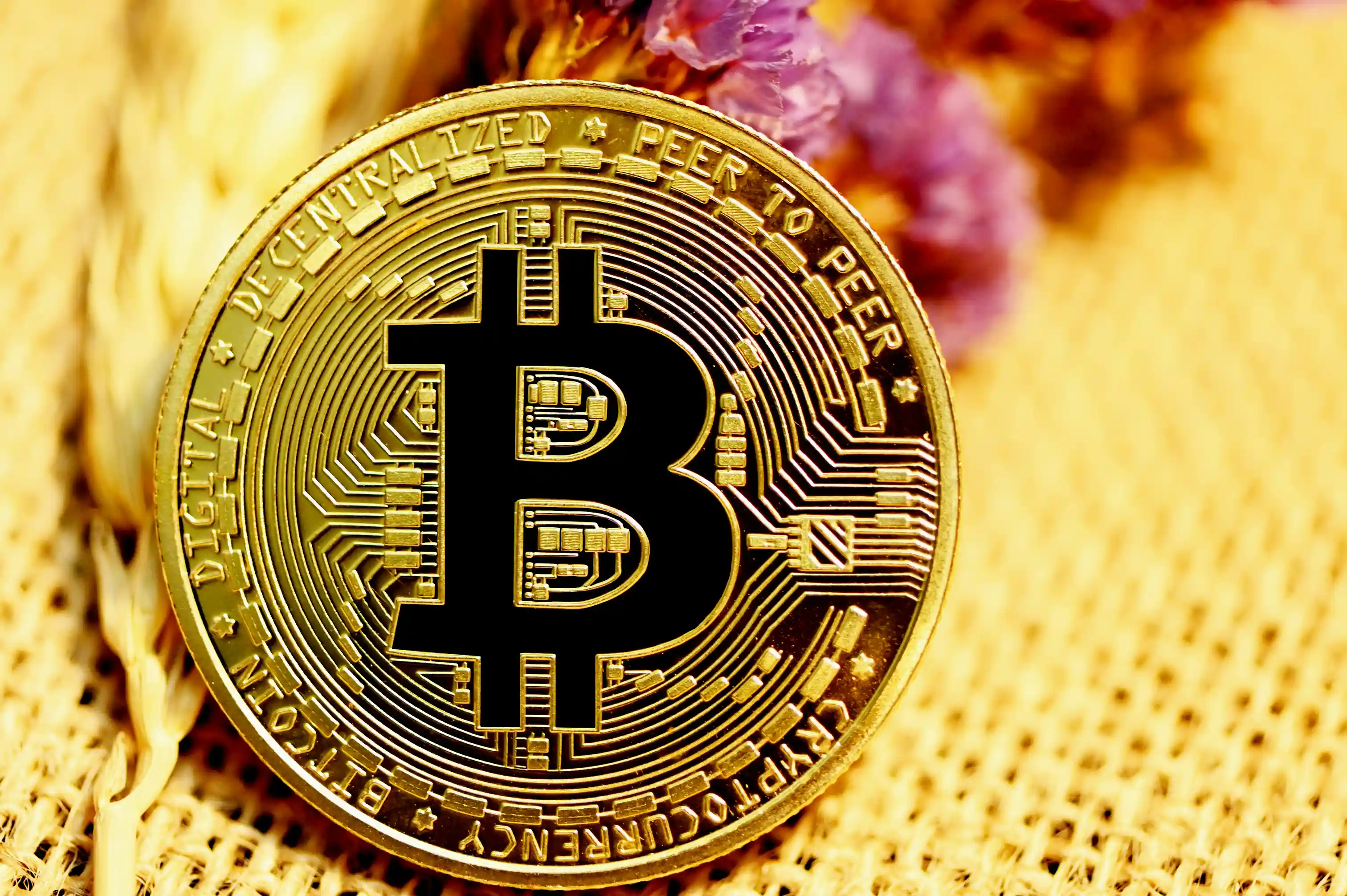
Imagine Maria, a seamstress in Managua, Nicaragua. For years, she’s relied on her brother, who works in Miami, to send money home. The fees eat into her earnings, and the wait can be agonizing. Now, picture a future, perhaps by 2026, where a simple tap on her smartphone can receive funds instantly, with minimal cost, thanks to cryptocurrency. This isn't science fiction; it's the unfolding reality of Latin America crypto adoption, a story that's gaining momentum far beyond its most famous protagonist, El Salvador.
We've all heard the headlines about El Salvador making Bitcoin legal tender. It was a bold, almost audacious move that sent ripples through the financial world. But what truly matters is the ripple effect it's having across Latin America, driving Bitcoin adoption trends and pushing other nations to explore the potential of digital assets for remittances, inflation hedging, and financial inclusion. At Crypto Basic Guide, we're not just about the buzz; we're about understanding the real-world impact and what it means for you.
The El Salvador Experiment: More Than Just a Headline
Let's rewind to 2021. El Salvador, a small Central American nation, declared Bitcoin legal tender. This wasn't just a symbolic gesture; it meant businesses had to accept Bitcoin, and the government aimed to leverage it for various purposes. While the global media often focused on the price volatility of Bitcoin and the potential risks, the story on the ground was far more nuanced.
For many Salvadorans, especially those in rural areas with limited access to traditional banking, Bitcoin offered a lifeline. Remittances, the money sent home by citizens working abroad, are a crucial part of the economy. Before Bitcoin, these transfers were often subject to high fees and delays, a significant burden for families relying on every dollar. El Salvador's embrace of crypto aimed to streamline this process, making it faster and cheaper. Think of it like upgrading from a slow, expensive postal service to instant messaging – the difference in efficiency and cost is profound.
Beyond Remittances: The Inflation Hedge and Financial Inclusion Narrative
But the story of Latin America crypto adoption isn't solely about sending money home. Across the region, many countries grapple with high inflation, eroding the purchasing power of their local currencies. For individuals like Javier in Argentina, where inflation has been a persistent problem, saving in traditional fiat currency feels like watching your money disappear before your eyes.
This is where cryptocurrency, particularly Bitcoin, enters the picture as a potential inflation hedge. While volatile, its decentralized nature and limited supply have led many to view it as a store of value, an alternative to the depreciating peso or bolivar. It's like having a digital gold, a tangible asset that the government can't simply print more of, thereby devaluing it. This narrative resonates deeply in economies where traditional savings instruments offer little protection against rising prices.
Furthermore, a significant portion of the Latin American population remains unbanked or underbanked. Cryptocurrencies, accessible via a smartphone, offer a pathway to financial inclusion. Imagine a young entrepreneur in Colombia who can’t open a traditional bank account but can use a crypto wallet to receive payments for their online services, build a digital financial history, and eventually access more sophisticated financial products. This is the promise of a decentralized financial future.
Emerging Trends: Mexico, Brazil, and the Decentralized Wave
El Salvador might have been the first mover, but the wave of Bitcoin adoption trends is spreading. Mexico, with its close economic ties to the US and a significant diaspora, is increasingly exploring crypto for remittances. While not yet legal tender, the use of crypto platforms for cross-border payments is growing steadily. We're seeing more individuals and businesses in Mexico opting for crypto as a faster, cheaper alternative to traditional money transfer services. It's less about government mandates and more about organic adoption driven by practical needs.
Brazil, on the other hand, is a powerhouse in terms of crypto adoption, particularly with stablecoins and NFTs. While Bitcoin and Ether remain popular, the sheer volume of transactions and the innovative use cases emerging from Brazil are noteworthy. From decentralized finance (DeFi) applications that offer lending and borrowing without intermediaries, to the burgeoning NFT art scene, Brazil is showcasing the diverse potential of blockchain technology. It’s like a bustling marketplace where every participant, big or small, can engage in a global economy.
Practical Steps: How to Navigate the Crypto Landscape in Latin America
For those of us living in or connected to Latin America, the rise of cryptocurrency presents both opportunities and challenges. If you're considering dipping your toes in, here are some practical steps:
- Educate Yourself: This is non-negotiable. Understand the basics of blockchain technology, how different cryptocurrencies work, and the risks involved. Our blog, Crypto Basic Guide, is a great starting point for this.
- Choose a Reputable Exchange: For buying and selling cryptocurrencies, you'll need an exchange. Look for platforms that are regulated in your region, have strong security measures, and offer good customer support. Examples include Binance, Coinbase, and local exchanges like Bitso or Ripio, depending on your country.
- Start Small: Don't invest more than you can afford to lose. Begin with a small amount to get a feel for how transactions work and how the market moves.
- Secure Your Assets: Once you own crypto, secure it. Use a reputable wallet. For larger amounts, consider a hardware wallet, which is like a physical vault for your digital assets.
- Understand Transaction Fees: While often lower than traditional methods, crypto transactions do have fees (gas fees). These can fluctuate, especially on networks like Ethereum. Be aware of this when making transfers.
Navigating the Pitfalls: Common Mistakes to Avoid
I've seen people jump into crypto with unrealistic expectations, and often, it doesn't end well. Here are some common mistakes:
Chasing Quick Riches: The crypto market is volatile. While some have made fortunes, many have lost money by chasing speculative "pump and dump" schemes or investing in unproven projects without due diligence. Ignoring Security: Losing your private keys or falling for phishing scams can mean losing your entire investment. Treat your crypto assets with the same security you would your bank accounts. Not Understanding Inflation Hedging: While Bitcoin can act as an inflation hedge, its price can still be extremely volatile in the short to medium term. It's not a guaranteed protection against inflation. Ignoring Regulatory Changes: Governments in Latin America are still developing their stances on crypto. Stay informed about any new regulations that might affect your investments.The Road Ahead: 2026 and Beyond
By 2026, I anticipate a much more mature Latin America crypto adoption landscape. We'll likely see:
Increased Regulatory Clarity: Governments will have clearer frameworks for crypto, which could foster greater institutional adoption and consumer confidence. Greater Integration with Traditional Finance: Expect more partnerships between crypto companies and traditional banks, making it easier to move between fiat and digital currencies. Wider Use of Stablecoins: For everyday transactions and remittances, stablecoins (cryptocurrencies pegged to fiat currencies like the USD) will likely become even more prevalent due to their lower volatility. Continued Innovation: DeFi, NFTs, and other blockchain-based applications will continue to evolve, offering new financial tools and opportunities for individuals and businesses.The journey of cryptocurrency in Latin America is a dynamic and compelling one. It's a story of innovation, financial inclusion, and the quest for economic stability. While challenges remain, the potential for positive transformation is undeniable. Whether you're looking to send money home cheaper, protect your savings from inflation, or simply participate in the future of finance, understanding Latin America crypto adoption is becoming increasingly crucial. The future is being built, one block at a time, and a significant part of that construction is happening right here in our region.
