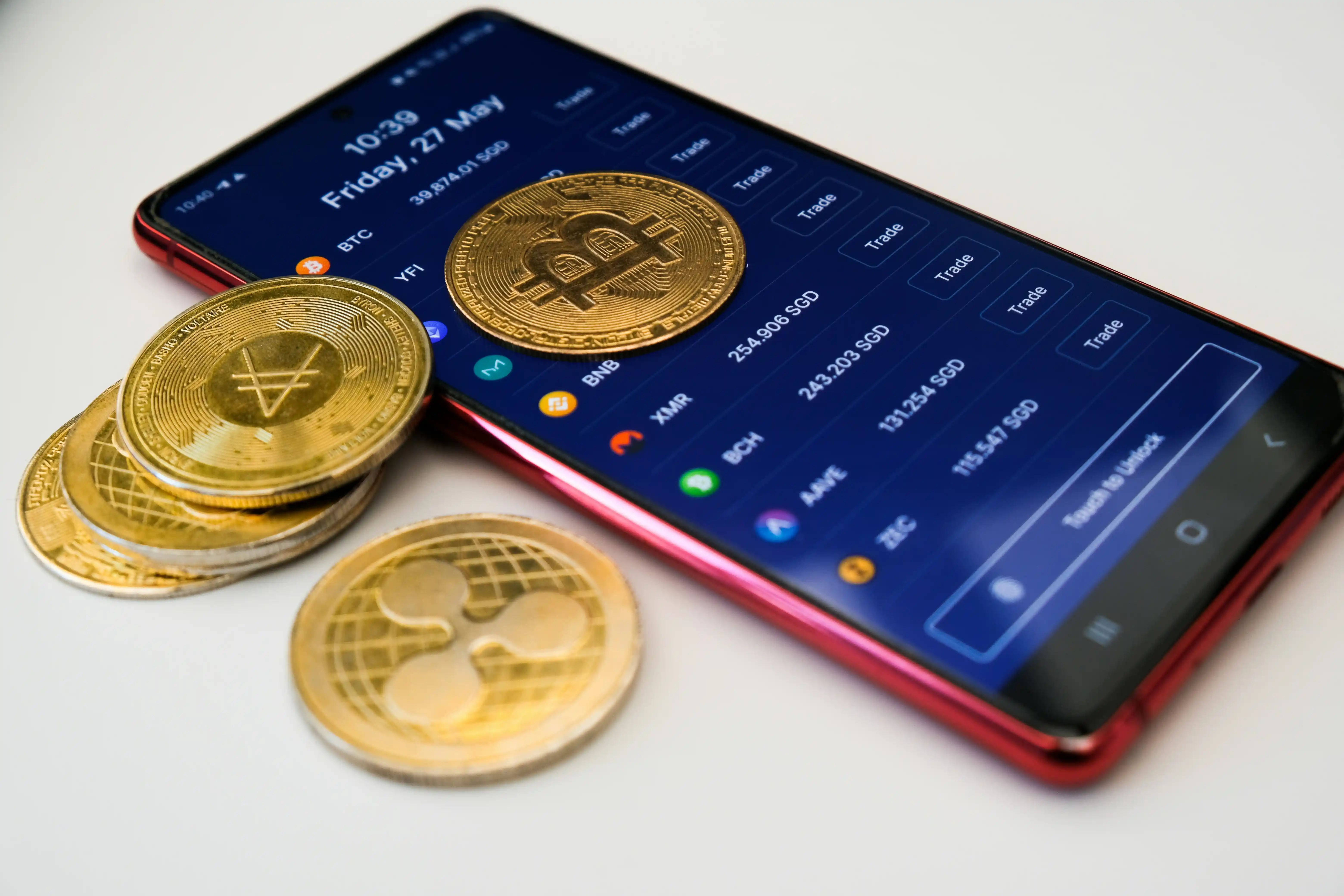
2027 Crypto Predictions: Unpacking the Future of Digital Assets and Blockchain Technology
Remember that feeling of FOMO back in 2021? Or maybe the gut-wrenching dip in 2022? It’s easy to get caught up in the daily drama of crypto prices, watching charts like a hawk. But imagine for a moment we could fast-forward. What if we could peek into the future, say, to 2027? What would the world of digital assets look like then? Would it be the wild west we know today, or something far more integrated, sophisticated, and perhaps, a little less volatile?
That’s exactly what we’re going to explore today. Forget the daily headlines for a moment and let’s dive into what the 2027 crypto predictions hold for us. We’re not just talking about price pumps; we’re talking about the fundamental shifts in blockchain technology trends, the widespread cryptocurrency adoption, and how digital assets will genuinely reshape our world. This isn’t just about making money; it’s about understanding the next evolution of finance, identity, and the internet itself.
The Tech Tsunami: Scalability, Interoperability, and the Invisible Blockchain
Think about the early days of the internet. Slow dial-up, clunky websites, and a lot of "buffering." Now, imagine trying to build Instagram or Netflix on that infrastructure. Impossible, right? That's somewhat where blockchain has been. However, by 2027, the underlying technology will have undergone a massive upgrade, making it largely invisible to the end-user.
We’re talking about scalable blockchain solutions becoming the norm, not the exception. Layer-2 solutions like ZK-rollups and optimistic rollups will have matured significantly, processing transactions at speeds comparable to traditional payment networks, but with the added benefits of decentralization and security. Imagine paying for your groceries with crypto, and the transaction confirms in milliseconds, costing pennies, without you even realizing a blockchain is involved. It’ll be as seamless as tapping your credit card today.
Furthermore, interoperability will be a solved problem. The current crypto landscape feels like a collection of walled gardens – Bitcoin can’t easily talk to Ethereum, and Solana has its own ecosystem. By 2027, cross-chain bridges and atomic swaps will be so robust and secure that assets and data will flow freely between different blockchains. Think of it like universal translators for different digital languages. This will unlock unprecedented liquidity and innovation, allowing developers to build applications that leverage the best features of multiple chains without friction. This seamless integration is critical for true widespread cryptocurrency adoption.
Mainstream Adoption: From Niche to Necessity
If 2024 felt like the year institutions dipped their toes in with Bitcoin ETFs, 2027 will be the year they cannonball into the pool. We anticipate a significant surge in institutional crypto investment, with pension funds, sovereign wealth funds, and major corporations allocating a meaningful portion of their portfolios to digital assets. This isn’t just about Bitcoin; it's about a diversified basket of established cryptocurrencies and even new, promising projects.
But adoption won't just be institutional. For everyday people, digital assets will move beyond speculation into genuine utility. Imagine owning a fractional share of a luxury apartment building in Dubai, represented by a token on a blockchain. Or perhaps your loyalty points from your favorite coffee shop are actual fungible tokens you can trade or use across different merchants. This is the promise of tokenization of real-world assets, and by 2027, it will be a booming sector.
Web3 evolution will also mean a much more user-friendly experience. Wallets will be integrated directly into browsers and operating systems, making self-custody easier and more secure for the average person. We'll see digital identity solutions powered by blockchain, allowing you to prove who you are online without revealing unnecessary personal data, giving you more control over your digital footprint.The Regulatory Compass: Clarity, Control, and Global Standards
One of the biggest hurdles crypto faces today is regulatory uncertainty. Governments worldwide are grappling with how to classify and oversee this new asset class. By 2027, we predict a much clearer, albeit more stringent, regulatory landscape.
Expect a global push towards harmonized frameworks. Nations will likely adopt a more coordinated approach, differentiating between various types of digital assets – utility tokens, security tokens, payment tokens – and applying appropriate rules. This will mean increased investor protection, reduced illicit activities, and greater stability for the market. While some might fear over-regulation, clear rules often breed confidence and pave the way for broader institutional and retail engagement.
Central Bank Digital Currencies (CBDCs) will also play a significant role. Many countries will have either launched or be in advanced pilot stages of their own digital currencies. These won't replace decentralized cryptocurrencies, but they will coexist, offering a government-backed digital alternative for payments and potentially spurring innovation in the private sector to compete. This structured environment will be crucial for the next phase of digital asset legislation.
Evolving Ecosystems: DeFi, NFTs 2.0, and the Metaverse Maturation
The decentralized finance (DeFi) sector, which has already shown incredible innovation, will mature significantly. We'll see the rise of institutional DeFi, where regulated entities can participate in lending, borrowing, and trading without intermediaries, but within compliant frameworks. Real-world asset (RWA) tokenization will become a cornerstone of DeFi, bringing trillions of dollars of traditional assets onto the blockchain. Imagine accessing loans against your tokenized house or car without complex paperwork.
NFTs, often dismissed as speculative JPEGs, will evolve into "NFTs 2.0" – focusing heavily on utility. Your concert tickets, your university degree, your medical records, your gaming assets, and even your digital identity could be represented as non-fungible tokens. They will be dynamic, interactive, and serve as verifiable proofs of ownership and access.
The Metaverse and Web3 gaming will also see a maturation beyond hype cycles. Instead of fragmented virtual worlds, we'll see more interconnected experiences where your digital identity and assets can move freely. Play-to-earn models will become more sustainable, focusing on genuine entertainment and value creation rather than pure speculation, drawing in a massive new audience to the blockchain space. This is the true Web3 evolution in action.
AI's Embrace: A New Frontier for Crypto
Finally, we cannot talk about 2027 without mentioning the accelerating convergence of Artificial Intelligence (AI) and blockchain. AI will play a crucial role in enhancing blockchain security, identifying vulnerabilities in smart contracts, and optimizing network performance. Imagine AI-powered trading bots that are not only sophisticated but also transparent and auditable on a blockchain.
Beyond that, we’ll see the emergence of AI-driven Decentralized Autonomous Organizations (DAOs), where AI agents contribute to governance and decision-making, potentially leading to more efficient and unbiased operations. This synergy between AI and blockchain will unlock entirely new applications and efficiencies, pushing the boundaries of what AI in crypto can achieve.
Practical Guidance for Navigating the Future
So, what does all this mean for you, the individual navigating this exciting space?
- Stay Informed, Continuously: The pace of change will only accelerate. Dedicate time to understanding new technologies, projects, and regulatory shifts. Follow reputable sources and engage with knowledgeable communities.
- Focus on Utility, Not Just Hype: When evaluating projects, look beyond the price charts. Ask yourself: What real-world problem does this solve? What genuine utility does it offer? Is there a tangible use case for its token or technology?
- Diversify Responsibly: Don't put all your eggs in one basket. Explore different sectors – DeFi, NFTs with real utility, promising layer-1s and layer-2s. However, only invest what you can afford to lose.
- Prioritize Security: As adoption grows, so will sophisticated attempts to compromise your assets. Learn about cold storage, multi-factor authentication, and be vigilant against phishing scams. Your digital assets are your responsibility.
Common Mistakes and How to Avoid Them
Chasing Pumps: Don't buy into projects simply because they're skyrocketing. Often, by the time you hear about it, the big gains have already been made, and you're buying at the top. Ignoring Security Best Practices: Neglecting cold wallets, using weak passwords, or clicking suspicious links are recipes for disaster. Your keys, your crypto – if you lose your keys, it's gone. Neglecting Your Own Research (DYOR): Never blindly follow advice from social media influencers or "experts." Do your own deep dive into a project's whitepaper, team, technology, and community. Emotional Trading: The crypto market is volatile. Making decisions based on fear or greed often leads to losses. Develop a strategy and stick to it.Future Outlook: A More Robust, Accessible World
By 2027, the digital asset landscape will be far more mature, integrated, and accessible than it is today. We’ll move beyond the speculative frenzy into an era where blockchain technology silently powers many aspects of our daily lives, from finance and entertainment to identity and governance. It won't be without its challenges – regulatory battles will continue, and new technological hurdles will emerge – but the overall trajectory points towards a more robust, efficient, and equitable digital future.
Conclusion: The Journey Continues
The journey to 2027 promises to be nothing short of revolutionary for digital assets. We're looking at a future where blockchain isn't just a buzzword, but a foundational layer of the internet and global economy. From lightning-fast, interoperable networks to real-world asset tokenization and the responsible integration of AI, the evolution is relentless.
This isn't just a technological shift; it's a paradigm shift in how we interact with value, data, and each other. By staying informed, focusing on utility, and prioritizing security, you can confidently navigate this exciting future. The digital revolution is well underway, and 2027 will mark a significant milestone in its journey. The question isn't if crypto will change the world, but how profoundly it will have done so by then.
